

What power requirements does a wide laminator have?
Sep 03, 2025
Leave a message
As a reputable supplier of wide laminators, I often encounter inquiries from clients regarding the power requirements of these machines. Understanding the power needs of a wide laminator is crucial for efficient operation, cost - effectiveness, and safety. In this blog post, I will delve into the various factors that influence the power requirements of wide laminators and provide you with a comprehensive overview.
Types of Wide Laminators and Their Power Consumption
There are different types of wide laminators available in the market, each with its own power consumption characteristics.
Thermal Laminators
Thermal laminators are one of the most common types. They use heat to activate the adhesive on the laminating film. The power consumption of a thermal wide laminator depends on several factors. Firstly, the size of the laminating area matters. A larger laminating width generally requires more power to heat the rollers and maintain a consistent temperature across the entire width. For example, a wide laminator with a 60 - inch laminating width will consume more power than a 30 - inch one.
Secondly, the heating element's efficiency plays a significant role. High - quality heating elements are designed to convert electrical energy into heat more effectively, resulting in lower power consumption. Some advanced thermal laminators are equipped with energy - saving features such as automatic standby mode. When the machine is not in use for a certain period, it automatically reduces power consumption to a minimum level.
Thermal wide laminators typically have power ratings ranging from 1000 watts to 3000 watts. Smaller, desktop - sized thermal laminators may have power ratings on the lower end of this spectrum, while large - scale industrial thermal laminators can consume up to 3000 watts or even more.
Cold Laminators
Cold laminators, on the other hand, do not use heat to bond the laminating film to the substrate. Instead, they rely on pressure to achieve the lamination. As a result, their power requirements are generally lower than those of thermal laminators. Cold wide laminators mainly use power to drive the rollers that apply pressure.
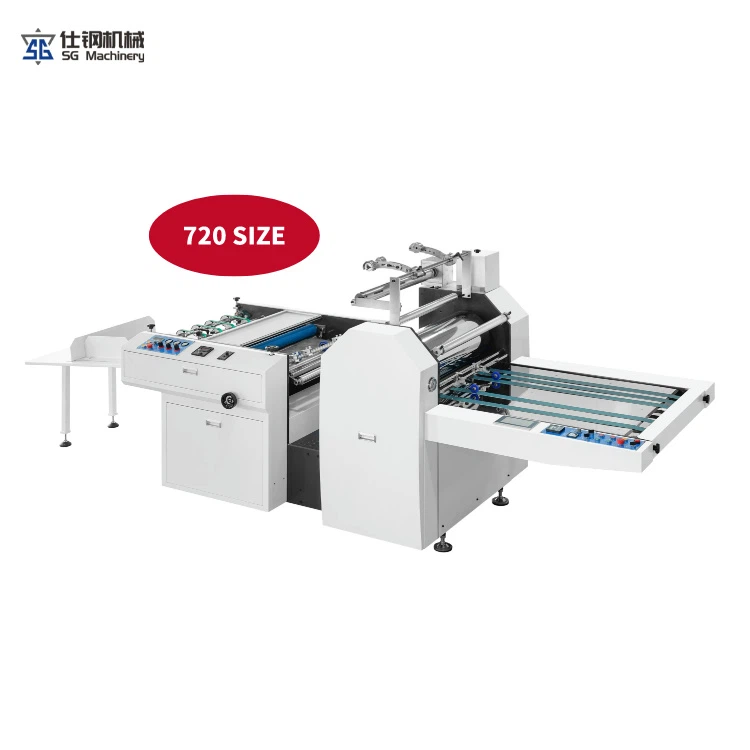

The power consumption of a cold wide laminator is primarily determined by the motor's size and the speed at which it operates. A more powerful motor can drive the rollers at a faster speed, allowing for higher - volume lamination. However, this also means higher power consumption. Cold wide laminators usually have power ratings in the range of 200 watts to 800 watts. Smaller manual or semi - automatic cold laminators may consume as little as 200 watts, while larger, fully - automatic cold laminators can reach up to 800 watts.
Factors Affecting Power Requirements
Laminating Speed
The speed at which a wide laminator operates has a direct impact on its power consumption. Faster laminating speeds require more power to maintain the necessary heat (in the case of thermal laminators) or pressure (in the case of cold laminators). For example, if you need to laminate a large number of documents or materials in a short period, you may choose a high - speed laminator. However, keep in mind that this will increase the power requirements.
Duty Cycle
The duty cycle refers to the amount of time a laminator is in use compared to the total time available. A laminator with a high duty cycle is designed to operate continuously for long periods. These machines often have more robust components and higher power ratings to handle the continuous workload. In contrast, a laminator with a low duty cycle is suitable for intermittent use and may have lower power requirements.
Temperature Settings
In thermal laminators, the temperature settings significantly affect power consumption. Higher temperature settings require more power to heat the rollers and maintain the desired temperature. Different laminating films and substrates may require specific temperature settings. For example, some thick laminating films need higher temperatures to bond properly, which will increase the power consumption of the laminator.
Power Supply Considerations
When using a wide laminator, it is essential to ensure that the power supply can meet the machine's requirements. Here are some important considerations:
Voltage and Frequency
Wide laminators are designed to operate at specific voltage and frequency levels. Most laminators in North America are designed for 120V, 60Hz power supply, while in Europe and many other parts of the world, they are designed for 230V, 50Hz. Using a laminator with an incompatible power supply can damage the machine and pose a safety hazard. Always check the voltage and frequency requirements of the laminator before connecting it to a power source.
Electrical Circuit Capacity
The electrical circuit that the laminator is connected to must have sufficient capacity to handle the machine's power consumption. Overloading an electrical circuit can cause circuit breakers to trip or even lead to electrical fires. It is recommended to consult an electrician to ensure that the circuit can safely support the laminator's power requirements.
Energy - Saving Tips
As a supplier, I understand the importance of energy efficiency. Here are some tips to reduce the power consumption of your wide laminator:
- Choose the Right Machine: Select a laminator that meets your specific needs. If you only need to laminate a small number of documents occasionally, a lower - power laminator may be sufficient.
- Use Energy - Saving Modes: Take advantage of the energy - saving features available in modern laminators, such as automatic standby mode.
- Proper Maintenance: Regularly clean and maintain your laminator to ensure that it operates efficiently. A well - maintained laminator consumes less power.
Conclusion
In conclusion, the power requirements of a wide laminator depend on various factors, including the type of laminator, laminating speed, duty cycle, and temperature settings. As a supplier, I am committed to providing high - quality wide laminators that are both efficient and reliable. Whether you are looking for a Flatbed Paper Laminator, a Business Laminator Machine, or a Manual Laminating Machine, I can offer you the right solution with detailed information on power requirements.
If you are interested in purchasing a wide laminator or have any questions about power requirements, feel free to contact me for further discussion and procurement negotiation. I am here to assist you in making the best choice for your laminating needs.
References
- Industry standards and guidelines for laminating machines
- Technical specifications of various wide laminators from leading manufacturers