

Can a mini paper laminator be used in a high - temperature environment?
Jun 04, 2025
Leave a message
Hey there! As a supplier of mini paper laminators, I often get asked all sorts of questions about our products. One question that pops up quite a bit is, "Can a mini paper laminator be used in a high - temperature environment?" Well, let's dive right into it and find out.
First off, let's talk about what a mini paper laminator actually does. It's a handy little device that's used to cover paper documents with a thin plastic film, protecting them from wear and tear, moisture, and other forms of damage. There are different types of mini paper laminators out there, like the Automatic Hot Lamination Machine, Flatbed Paper Laminator, and Label Laminator. Each has its own unique features and uses, but they all share the basic function of laminating paper.
Now, when it comes to high - temperature environments, we need to understand how a mini paper laminator works. Most mini paper laminators use heat to melt the adhesive on the laminating film and bond it to the paper. The internal components of these machines are designed to operate within a certain temperature range. When you're in a high - temperature environment, there are a few things that can go wrong.
One of the main issues is overheating. The machine is already generating heat to melt the laminating film, and if the surrounding environment is also hot, it can cause the internal temperature of the laminator to rise beyond its safe operating range. This can lead to a bunch of problems. For example, the adhesive on the laminating film might over - melt. Instead of a smooth, even bond, you could end up with a bubbly, uneven lamination. The film might not adhere properly to the paper, or it could start to peel off shortly after laminating.
Another problem is that the internal components of the laminator can be damaged by excessive heat. The motor, for instance, which is responsible for pulling the paper and film through the machine, can overheat and burn out. The heating element, which is crucial for melting the adhesive, can also be affected. If it gets too hot, it might not function correctly, or it could even break down completely.
But it's not all doom and gloom. Some mini paper laminators are designed to be more heat - resistant than others. If you're in a high - temperature environment, you might want to look for a laminator that has better heat - dissipation features. For example, some laminators have built - in fans or ventilation systems that help to keep the internal temperature down. These can be a real lifesaver in a hot environment.
Also, the type of laminating film you use can make a difference. Some films are more heat - resistant than others. If you're working in a high - temperature environment, it's a good idea to choose a film that can withstand the extra heat without deforming or losing its adhesive properties.
Let's talk about some real - world scenarios. Say you're running a small business in a warehouse where the temperature can get pretty high during the summer months. You use a mini paper laminator to laminate important documents like invoices, contracts, and product labels. If you try to use a regular laminator in this environment, you're likely to run into problems. The lamination might not look good, and you could end up wasting a lot of time and money on replacing damaged documents.

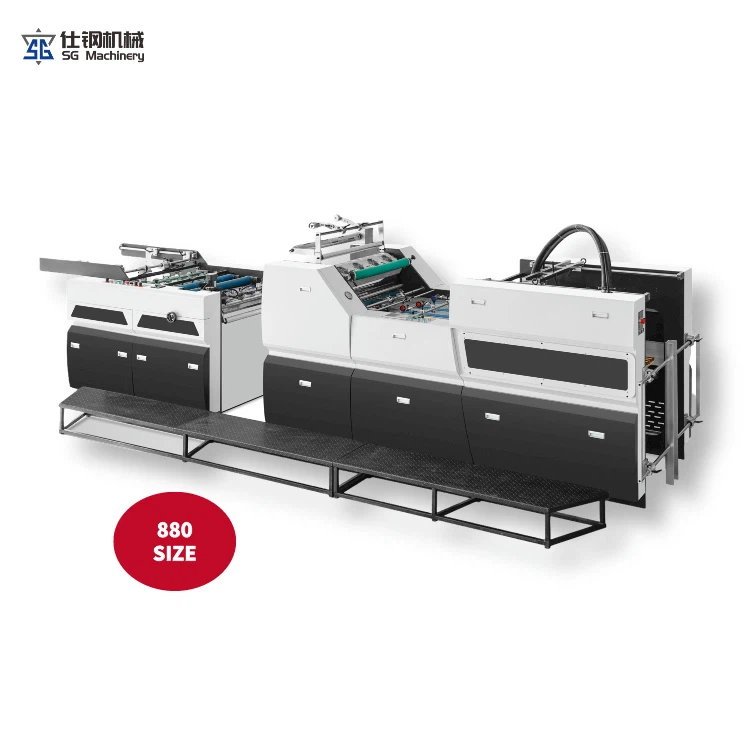
On the other hand, if you invest in a heat - resistant laminator and the right type of film, you can still get high - quality laminations even in the heat. You'll save yourself a lot of headaches in the long run.
Now, let's consider the impact on the quality of the lamination. In a high - temperature environment, as I mentioned earlier, the quality of the lamination can suffer. The appearance of the laminated document is important, especially if you're using it for professional purposes. A bubbly or uneven lamination can make your documents look unprofessional and unappealing.
But it's not just about the looks. The durability of the lamination is also affected. In a high - temperature environment, the adhesive might not bond as strongly to the paper, which means the lamination might not last as long. The document could start to delaminate over time, exposing it to damage from moisture, dirt, and other elements.
So, what's the bottom line? Can a mini paper laminator be used in a high - temperature environment? The answer is, it depends. If you have a heat - resistant laminator and use the right type of film, and you take some precautions like giving the machine regular breaks to cool down, then it's possible. But if you're using a regular laminator in a very hot environment without any special considerations, you're likely to run into problems.
If you're in a high - temperature environment and are thinking about buying a mini paper laminator, I'd be more than happy to help you find the right one for your needs. We have a wide range of laminators, including those with better heat - dissipation features and compatibility with heat - resistant films. Whether you need an Automatic Hot Lamination Machine, a Flatbed Paper Laminator, or a Label Laminator, we've got you covered.
If you're interested in learning more or are ready to make a purchase, don't hesitate to reach out. We can have a chat about your specific requirements and find the perfect laminator for your situation.
References
- General knowledge about mini paper laminators and their operation
- Industry - specific knowledge about the effects of high - temperature on laminating equipment and materials