

What Are The Differences Between A Wide-width Laminating Machine And A Cold Laminating Machine?
Apr 23, 2026
Leave a message
Wide and cold laminators are used for material surface protection in the advertising and printing industries, but they vary widely in how they work, application scenarios, equipment characteristics and performance. The specific analysis is as follows:
1.Differences in working principles and processes
Wide-format laminating machine
By means of a hot press process, a hot melt glue or thermosensitive film is heated to a molten state with a hot roller, which then binds the hot melt glue or thermosensitive film to the material (e.g. paper, PVC, lampbox fabric, etc.). The heating process activates the adhesive layer to form a lasting bond, which is suitable for situations where long-term weatherresistance is required.
The Point: A heating heating system is required depending on the chemical properties of hot melt adhesive or thermosensitive film.
cold laminator
By means of the physical cold pressing process, the cold laminating film (such as PVC film, PET film) with its own adhesive layer is attached directly to the material by pressure roller without heating. Adhesive layer is usually pressure-sensitive adhesive layer, relying on pressure to achieve adhesion, suitable for temperature-sensitive materials.
Key points: according to the physical properties of the adhesive layer, no heating is required.
2.Applicable materials and scenarios
Wide-format laminating machine
Material compatibility: Able to handle thick and large flexible materials (e.g. light box fabrics, car wrap), generally 1.6 -3 m wide.
Typical options: outdoor advertising (such as fencing and light boxes), long display panels and materials that need to be waterproof and UV protection.
Advantages: Hot melt glue has strong weather resistance, can withstand high temperature and humidity environment, after the film is not easy to shed.
cold laminator
Material compatibility: Suitable for thin materials (such as photographic paper, art paper, ordinary printed matter) and thermosensitive materials (such as some synthetic paper, thermal transfer film).
Typical scenes: interior paintings, temporary panels, removable labels and photo protection.
Pros: no thermal deformation risk, simple operation, suitable for small batch or temporary needs.
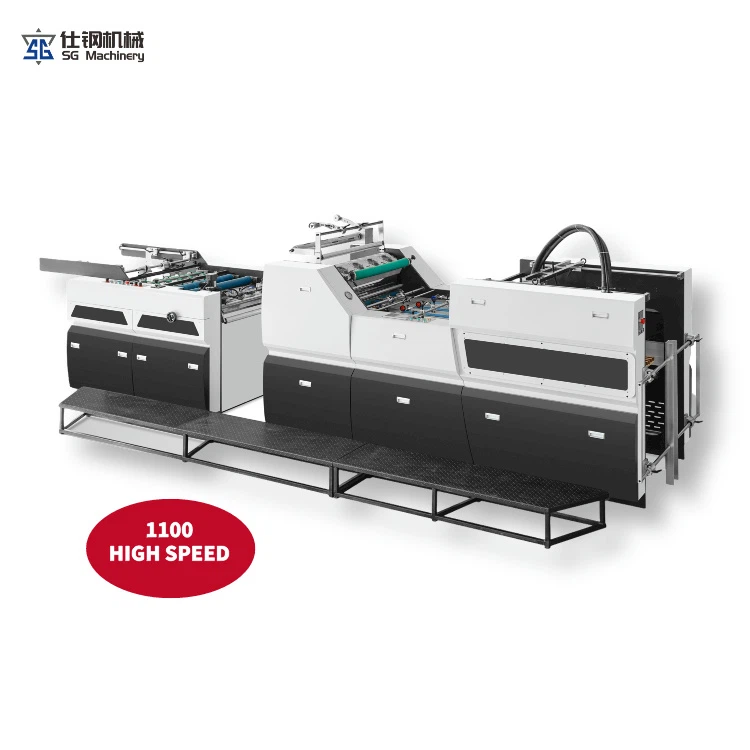
Wide Laminator
3.Equipment characteristics and operations
Wide-format laminating machine
Complex structure: the need for a heating system and temperature control module results in larger equipment and higher costs.
Operational requirements: Temperature, pressure and speed adjustments are necessitated, and high technical requirements are required for operators (e.g. to avoid material deformation due to overheating).
cold laminator
Simple structure: just pressure roller and feed system, small size, low cost.
Easy to operate: can be used at any time, no need to preheat, rapid film change.
4.Effect display and durability
Wide-format laminating machine
Surface effect: After melting, hot melt filler material surface micropore, make material surface smooth, high gloss or matte, enhance color saturation.
Durability: Thermomelt has anti-aging and anti-UV properties that expose composites to prolonged exposure to outdoor environments (for example, more than five years).
Limitations: Thin film Film delamination may occur due to softening of the adhesive layer under high temperature conditions (high temperature resistance is required).
cold laminator
Surface effect: It depends on the inherent characteristics of the cold coating (such as gloss, matte, frosting), has a high transparency of the adhesive layer, does not affect the original image color.
Durability: Pressure sensitive adhesive has poor weatherresistance and is prone to aging and peeling after prolonged use outdoors.
Strengths: High removability, no adherent residue left after removal, suitable for temporary application.