

What is the storage condition for a roll laminator?
May 27, 2025
Leave a message
As a supplier of roll laminators, I understand the importance of proper storage conditions for these machines. Roll laminators are widely used in various industries, including printing, packaging, and graphic design, to protect and enhance the appearance of printed materials. To ensure the longevity and optimal performance of your roll laminator, it is crucial to store it in the right environment. In this blog post, I will discuss the key factors to consider when storing a roll laminator.
Temperature and Humidity
One of the most critical aspects of storing a roll laminator is maintaining the right temperature and humidity levels. Extreme temperatures and humidity can have a significant impact on the machine's components and performance.

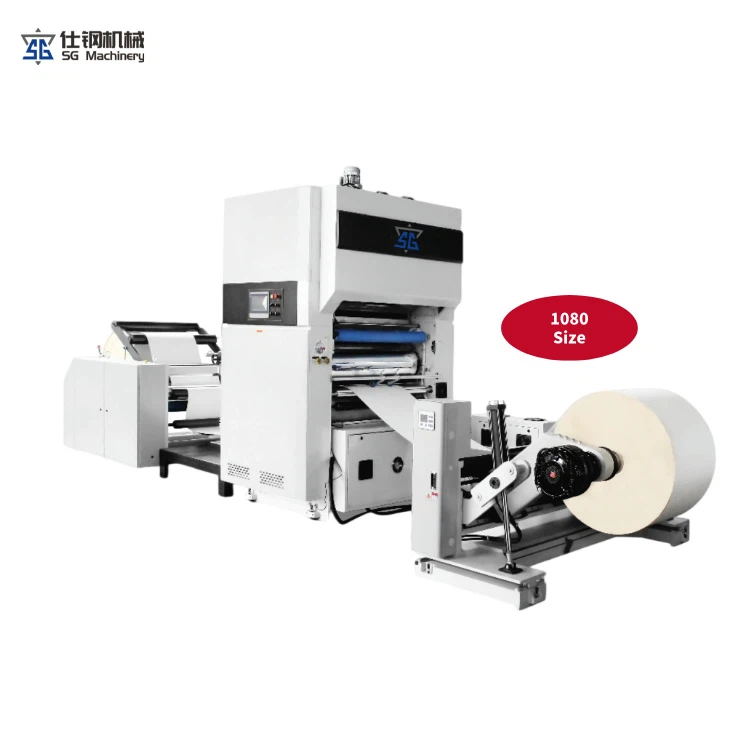
Temperature
Roll laminators are designed to operate within a specific temperature range, typically between 50°F (10°C) and 90°F (32°C). Storing the machine outside of this range can cause several problems. For example, if the temperature is too low, the laminating film may become brittle and difficult to feed through the machine. On the other hand, high temperatures can cause the film to melt or stick to the rollers, leading to uneven lamination and potential damage to the machine.
To avoid these issues, it is recommended to store the roll laminator in a temperature-controlled environment. If possible, choose a storage area where the temperature remains relatively stable throughout the year. Avoid storing the machine in areas prone to extreme temperature fluctuations, such as attics, basements, or unheated garages.
Humidity
Humidity is another important factor to consider when storing a roll laminator. High humidity levels can cause moisture to accumulate on the machine's components, leading to rust, corrosion, and electrical problems. Conversely, low humidity can cause the laminating film to dry out and become brittle.
The ideal humidity range for storing a roll laminator is between 30% and 60%. To maintain the right humidity levels, you can use a dehumidifier or a humidifier, depending on the climate in your area. Additionally, it is a good idea to store the machine in a sealed container or a cabinet to protect it from moisture.
Dust and Debris
Dust and debris can also have a negative impact on the performance of a roll laminator. Over time, dust can accumulate on the rollers, heating elements, and other components, causing them to wear out more quickly and reducing the quality of the lamination.
To prevent dust and debris from entering the machine, it is important to keep the storage area clean and free of clutter. Regularly vacuum the area around the machine and use a dust cover to protect it when it is not in use. Additionally, make sure to clean the machine's components regularly, following the manufacturer's instructions.
Storage Position
The way you store your roll laminator can also affect its performance. When storing the machine, it is important to keep it in an upright position to prevent damage to the rollers and other components. Storing the machine on its side or upside down can cause the rollers to become misaligned, leading to uneven lamination and potential damage to the machine.
If you need to transport the roll laminator, make sure to use a sturdy box or crate and secure the machine in place to prevent it from shifting during transit. Additionally, make sure to follow the manufacturer's instructions for transporting the machine to avoid any damage.
Power Supply
When storing a roll laminator, it is important to disconnect it from the power supply to prevent any electrical problems. Leaving the machine plugged in for an extended period of time can cause the heating elements to overheat and potentially damage the machine.
Before disconnecting the machine from the power supply, make sure to turn it off and allow it to cool down completely. Once the machine has cooled down, unplug it from the wall socket and store it in a safe place.
Maintenance and Inspection
Regular maintenance and inspection are essential for ensuring the longevity and optimal performance of your roll laminator. Before storing the machine, it is a good idea to perform a thorough cleaning and inspection to identify any potential issues.
Clean the machine's components, including the rollers, heating elements, and feed path, using a soft cloth and a mild cleaning solution. Make sure to remove any dust, debris, or adhesive residue from the components. Additionally, inspect the machine for any signs of wear and tear, such as cracks, scratches, or loose parts. If you notice any issues, make sure to address them before storing the machine.
Conclusion
Proper storage conditions are essential for ensuring the longevity and optimal performance of your roll laminator. By maintaining the right temperature and humidity levels, keeping the storage area clean and free of dust and debris, storing the machine in an upright position, disconnecting it from the power supply, and performing regular maintenance and inspection, you can help to extend the life of your machine and ensure that it continues to produce high-quality laminations.
If you are in the market for a roll laminator, I invite you to explore our range of products, including the Roll Laminator. We also offer Sheet Laminator Paper Machine and Commercial Laminator options to meet your specific needs. Our machines are designed to provide reliable performance and high-quality results, and we offer excellent customer support to ensure that you are satisfied with your purchase.
If you have any questions or would like to discuss your laminating needs, please do not hesitate to contact us. We look forward to working with you!
References
- Manufacturer's user manuals for roll laminators
- Industry best practices for storing industrial equipment