

What is the speed of lamination in a manual laminator?
Oct 29, 2025
Leave a message
Hey there! As a supplier of manual laminators, I often get asked about the speed of lamination in these machines. It's a crucial factor for many customers, especially those who have high - volume lamination needs or are working against tight deadlines. So, let's dive right into it and explore what the speed of lamination in a manual laminator really means.
First off, what exactly is a manual laminator? Well, it's a handy device that lets you protect your documents, photos, or other items by covering them with a thin layer of plastic film. Unlike automatic laminators that do everything with just a push of a button, manual laminators require a bit of human effort. You'll have to feed the item you want to laminate through the machine by hand.
Now, onto the speed. The speed of lamination in a manual laminator isn't like the speed of a sports car or a high - speed train. It's more about how quickly you can get the job done while still ensuring a good lamination quality. There are a few factors that can affect this speed.
One of the main factors is the type of film being used. Different laminating films have different thicknesses and properties. Thicker films might take a bit longer to pass through the machine because they're more rigid and might need more force to be fed in. For example, if you're using a heavy - duty 10 - mil film, it'll probably move through the laminator at a slower pace compared to a thinner 3 - mil film. We offer a variety of films at our Manual Laminator store, and you can choose the one that suits your needs in terms of both quality and speed.
Another factor is the size of the item you're laminating. Larger items, like A3 - sized posters or big photos, take more time to laminate than smaller ones like business cards or ID cards. You have to be more careful when feeding them through the machine to make sure they go in straight and get evenly laminated. It's like trying to push a big piece of furniture through a narrow door; it just takes more time and effort.
Your own skill and experience also play a big role in the lamination speed. When you're new to using a manual laminator, you might be a bit hesitant and move slowly to avoid making mistakes. But as you get more practice, you'll get the hang of it and be able to laminate faster. It's like learning to ride a bike; at first, you're wobbly and slow, but once you master the balance, you can speed up.
So, how can you measure the speed of lamination? Well, one way is to time how long it takes you to laminate a certain number of items. For instance, you could time how long it takes to laminate 10 business cards. Then, you can calculate the average time per card. This will give you a good idea of your laminating speed.
Let's talk about some real - world scenarios. Suppose you're a small business owner who needs to laminate a bunch of price tags. You're probably looking for a quick and efficient way to get the job done. In this case, using a thinner film and a smaller - sized manual laminator would be a good choice. You can laminate those price tags relatively quickly, and it won't cost you a fortune. Check out our Label Laminator for options that are great for this kind of task.
On the other hand, if you're an artist who wants to laminate your paintings for protection, you might be more concerned about the quality of lamination rather than the speed. You'll probably choose a thicker, high - quality film and take your time to make sure every part of the painting is perfectly laminated.
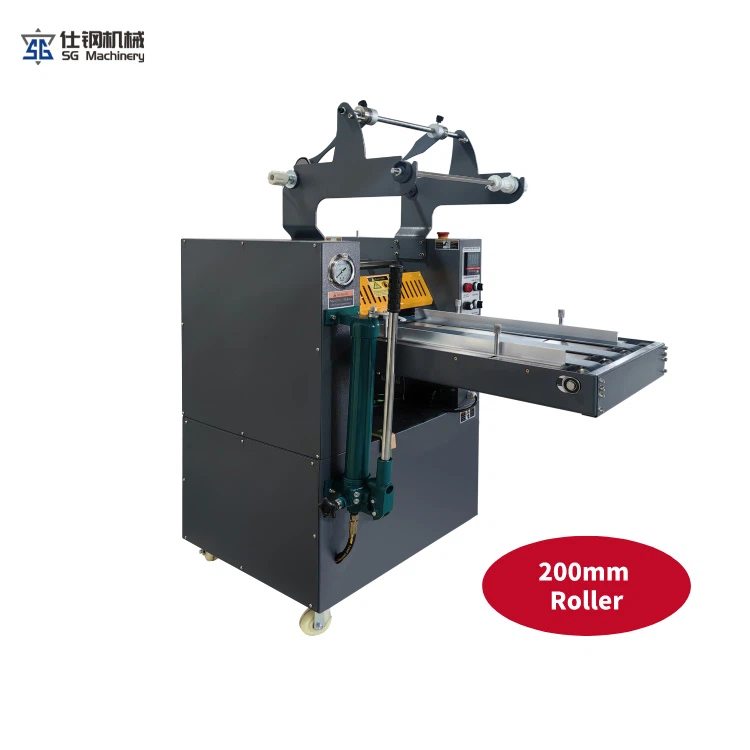

If you're running a busy office and need to laminate a large number of documents every day, you might think about upgrading to a more advanced Business Laminator Machine. These machines are designed for high - volume lamination and can often work faster than manual laminators. However, if you have a smaller workload or a limited budget, a manual laminator can still be a great option.
Now, if you're interested in improving the speed of lamination with your manual laminator, here are some tips. First, make sure the machine is clean and well - maintained. A dirty or clogged laminator can slow down the process. Also, practice feeding the items through the machine smoothly and at a consistent pace. You can even do some dry runs without the film to get a feel for it.
In conclusion, the speed of lamination in a manual laminator is a combination of several factors, including the film type, item size, and your own skills. It's not a one - size - fits - all situation, and you need to find the right balance between speed and quality based on your specific needs.
If you're thinking about purchasing a manual laminator or have any questions about lamination speed or other related topics, don't hesitate to reach out. We're here to help you make the best choice for your lamination needs. Whether you're a small business, an artist, or just someone who wants to protect their important documents, we've got the right solutions for you.
References
- General knowledge about laminating machines and industry standards.
- In - house testing and experience with different manual laminators and films.