

What is the laminating speed of a semi - auto paper laminator?
Jul 18, 2025
Leave a message
Hey there! As a supplier of semi-auto paper laminators, I often get asked about the laminating speed of these machines. So, I thought I'd write this blog to share some insights on what the laminating speed of a semi-auto paper laminator is all about.
First off, let's understand what a semi-auto paper laminator is. It's a machine that helps you laminate papers with a bit of manual input. You'll need to place the paper into the machine, but then the laminating process is mostly automated. It's a great option for small to medium - sized businesses or individuals who need to laminate a decent amount of documents regularly.
Now, the laminating speed of a semi - auto paper laminator can vary quite a bit. It's usually measured in inches per minute (IPM) or feet per minute (FPM). The speed depends on several factors, and I'll break them down for you.
Factors Affecting Laminating Speed
1. Machine Quality and Model
The build and design of the laminator play a huge role. High - end semi - auto paper laminators are generally faster. For example, some top - of - the - line models can reach speeds of up to 150 IPM or even more. These machines are built with better motors and more advanced technology, which allows them to handle the laminating process quickly. On the other hand, budget - friendly models might have a laminating speed of around 30 - 60 IPM. If you're looking for different types of laminators, you can check out our Flatbed Paper Laminator, Mini Paper Laminator, and Manual Laminating Machine.
2. Laminating Film Thickness
Thicker laminating films take longer to laminate. When you use a thick film, the machine needs more time to heat it up and bond it properly to the paper. A thin film, say around 1 - 3 mils, can be laminated at a relatively high speed. But if you switch to a 5 - 10 mil film, the speed will drop significantly. You'll have to slow down the machine to ensure a good lamination result.
3. Paper Thickness and Type
Just like with the laminating film, the paper also affects the speed. Thick papers, such as cardstock, require more heat and pressure to laminate. The machine has to work harder to bond the film to the paper, so the laminating speed decreases. Also, papers with a rough or porous surface might take longer because the film needs to penetrate and adhere better.
4. Temperature Settings
The temperature at which you set the laminator is crucial. If the temperature is too low, the film won't bond well to the paper, and you might end up with a poor lamination. But if it's too high, it can damage the paper or the film. You need to find the right temperature for the type of film and paper you're using. When you set the correct temperature, the laminating speed can be optimized. If the temperature is off, you'll have to slow down the machine to compensate.
Typical Laminating Speeds
For general office use, where you're laminating standard 8.5 x 11 inch papers with a 1 - 3 mil laminating film, a semi - auto paper laminator can usually achieve a speed of 60 - 100 IPM. This is fast enough to handle a moderate volume of documents in a day.
If you're working with thicker papers or films, the speed will drop. For example, when laminating 4 - 6 mil films on cardstock, the speed might be around 30 - 50 IPM.

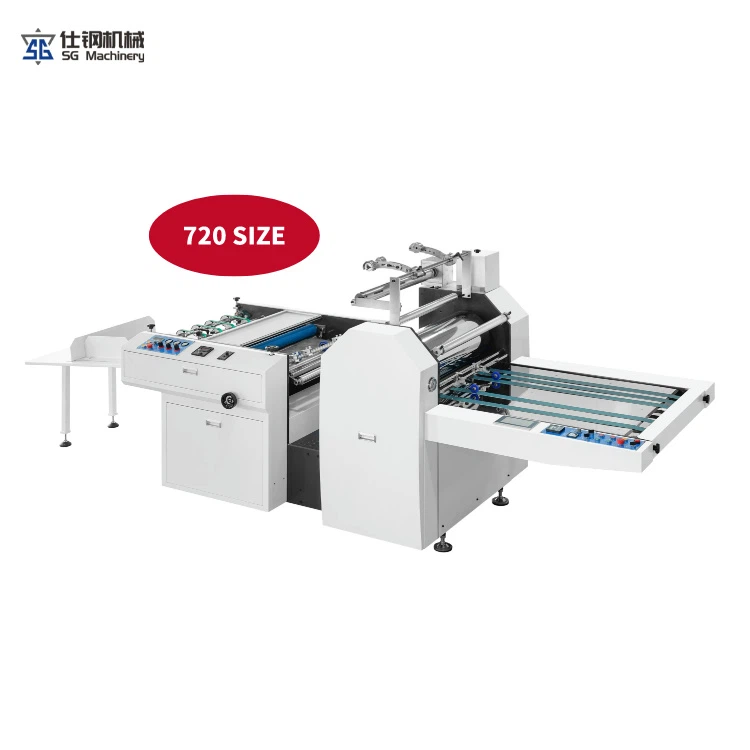
Some heavy - duty semi - auto paper laminators, designed for large - scale production, can reach speeds of 120 - 180 IPM. These machines are great for commercial printers or businesses that need to laminate a large number of documents quickly.
Why Laminating Speed Matters
1. Productivity
In a business setting, time is money. A faster laminating speed means you can get more work done in less time. If you have a high volume of documents to laminate, a slow laminator will hold you back. You'll end up spending more hours on the laminating process, which could be used for other important tasks.
2. Cost - Efficiency
Faster laminating speeds can also save you money in the long run. When you can laminate more documents in a shorter time, you can increase your output without having to hire extra staff. This reduces labor costs and improves your overall profitability.
How to Choose the Right Laminating Speed for Your Needs
1. Consider Your Volume
If you only need to laminate a few documents a week, a slower laminator might be sufficient. But if you have a large volume of documents, say hundreds or thousands per month, you'll need a faster machine.
2. Type of Documents
Think about the types of papers and laminating films you'll be using. If you're mostly working with thin papers and films, a faster laminator can handle the job easily. But if you need to laminate thick papers or films regularly, you might need a machine that can adjust its speed accordingly.
3. Budget
Faster laminators usually come with a higher price tag. You'll need to balance your budget with your laminating speed requirements. If you're on a tight budget but still need a decent speed, look for mid - range models that offer a good compromise.
In conclusion, the laminating speed of a semi - auto paper laminator is an important factor to consider when choosing a machine. It depends on various factors like machine quality, film and paper thickness, and temperature settings. By understanding these factors and your own needs, you can choose the right laminator for your business or personal use.
If you're interested in purchasing a semi - auto paper laminator or have any questions about laminating speeds, feel free to reach out. We're here to help you make the best choice for your laminating needs.
References
- Industry reports on paper laminating technology
- Manufacturer specifications of semi - auto paper laminators