

What is the effect of humidity on a manual laminating machine?
Jan 05, 2026
Leave a message
Hey there! As a supplier of manual laminating machines, I've seen firsthand how different environmental factors can impact the performance of these nifty devices. One factor that often doesn't get enough attention is humidity. In this blog, I'm gonna break down the effects of humidity on a manual laminating machine and why it matters to you.
What is Humidity and Why Does It Matter?
First things first, let's talk about what humidity is. Humidity refers to the amount of water vapor present in the air. It's usually measured as a percentage, known as relative humidity (RH). High humidity means there's a lot of water vapor in the air, while low humidity means there's less.
Now, you might be wondering, "Why does humidity matter for a manual laminating machine?" Well, the laminating process involves bonding a plastic film to a substrate, like paper or cardstock. Humidity can affect both the film and the substrate, which in turn can impact the quality of the lamination.
Effects of High Humidity on a Manual Laminating Machine
1. Adhesion Issues
One of the most common problems caused by high humidity is poor adhesion between the film and the substrate. When the air is humid, the water vapor can create a thin layer of moisture on the surface of the substrate. This moisture can prevent the adhesive on the film from properly bonding to the substrate, resulting in bubbles, wrinkles, or even delamination.
For example, if you're laminating a document on a humid day, you might notice that the film doesn't stick evenly to the paper. You might see small bubbles forming between the film and the paper, or the film might start to peel off at the edges. This can be frustrating, especially if you're trying to create a professional-looking laminate.
2. Film Warping
High humidity can also cause the plastic film used in the laminating process to warp or curl. The moisture in the air can be absorbed by the film, causing it to expand and become distorted. This can make it difficult to feed the film through the laminating machine smoothly, and it can also affect the overall appearance of the laminate.
Imagine trying to laminate a large poster on a humid day. If the film warps, it might get stuck in the laminating machine, or it might not lay flat on the poster. This can result in a uneven laminate with visible wrinkles or creases.
3. Machine Malfunctions
In addition to affecting the quality of the lamination, high humidity can also cause problems with the manual laminating machine itself. The moisture in the air can corrode the metal parts of the machine, such as the rollers or the heating elements. This can lead to mechanical failures, such as jammed rollers or overheating, which can damage the machine and require costly repairs.
For instance, if the rollers of the laminating machine become corroded due to high humidity, they might not rotate smoothly. This can cause the film to get stuck or to be fed through the machine unevenly, resulting in a poor-quality laminate.
Effects of Low Humidity on a Manual Laminating Machine
1. Static Electricity
Low humidity can also have its own set of problems for a manual laminating machine. One of the most common issues is static electricity. When the air is dry, the lack of moisture can cause static charges to build up on the film and the substrate. This static electricity can attract dust and debris, which can get trapped between the film and the substrate during the laminating process.
Static electricity can also make it difficult to handle the film and the substrate. The film might stick to your hands or to other surfaces, making it challenging to feed it through the laminating machine. And if the static charges are strong enough, they can even cause the film to tear or break.
2. Brittle Film
Another problem caused by low humidity is that the plastic film can become brittle. When the air is dry, the film can lose moisture and become stiff and fragile. This can make it more prone to cracking or breaking during the laminating process, especially if the film is bent or folded.
For example, if you're laminating a small card on a dry day, the film might crack when you try to fold it along the edges. This can ruin the appearance of the laminate and make it unusable.
How to Mitigate the Effects of Humidity on a Manual Laminating Machine
1. Control the Environment
The best way to mitigate the effects of humidity on a manual laminating machine is to control the environment in which the machine is used. Ideally, the relative humidity should be kept between 40% and 60%. You can use a hygrometer to measure the humidity in the room and a dehumidifier or a humidifier to adjust the humidity as needed.
For example, if the humidity is too high, you can use a dehumidifier to remove the excess moisture from the air. If the humidity is too low, you can use a humidifier to add moisture to the air. This can help to ensure that the laminating process goes smoothly and that you get a high-quality laminate.
2. Store the Film Properly
It's also important to store the plastic film used in the laminating process properly. The film should be stored in a cool, dry place, away from direct sunlight and moisture. You can use airtight containers or bags to protect the film from humidity and other environmental factors.
For instance, if you have a large supply of laminating film, you can store it in a sealed plastic container in a closet or a storage room. This can help to prevent the film from absorbing moisture and becoming damaged.
3. Clean and Maintain the Machine Regularly
Regular cleaning and maintenance of the manual laminating machine can also help to mitigate the effects of humidity. You should clean the machine after each use to remove any dust, debris, or adhesive residue. You can use a soft, dry cloth to wipe down the rollers and other parts of the machine.
In addition, you should lubricate the moving parts of the machine periodically to ensure smooth operation. This can help to prevent mechanical failures caused by corrosion or wear and tear.

Conclusion
As you can see, humidity can have a significant impact on the performance of a manual laminating machine. Whether it's high humidity causing adhesion issues and film warping, or low humidity causing static electricity and brittle film, it's important to be aware of these effects and take steps to mitigate them.
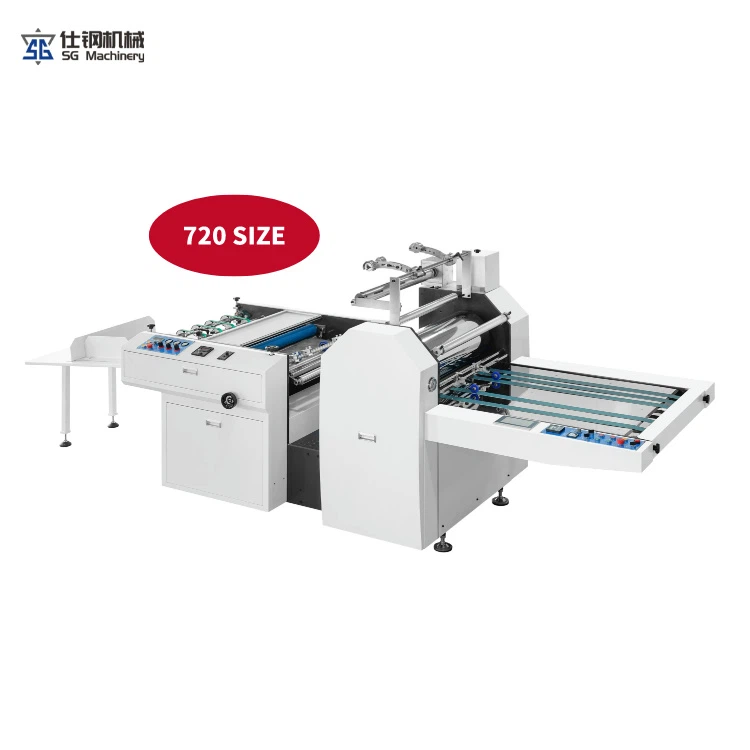
At our company, we offer a range of Small Laminator, Automatic Thermal Laminating Machine, and Flatbed Paper Laminator that are designed to perform well in a variety of environmental conditions. But to get the best results, it's still important to pay attention to humidity and take the necessary precautions.
If you're interested in learning more about our manual laminating machines or have any questions about the effects of humidity on laminating, feel free to reach out to us. We'd be happy to help you find the right laminating solution for your needs and provide you with tips on how to get the best results.
References
- "Laminating Basics: Understanding the Effects of Humidity." Laminating Solutions Magazine, Vol. 10, No. 2, 2023.
- "The Impact of Environmental Conditions on Laminating Processes." Journal of Printing and Packaging Technology, Vol. 15, No. 3, 2022.
- "Best Practices for Laminating in Humid Environments." Packaging World, Vol. 25, No. 4, 2021.