

What is the best way to start using a new manual laminating machine?
Jan 07, 2026
Leave a message
Hey there! If you've just got your hands on a new manual laminating machine, you're probably pretty excited to start using it. As a manual laminating machine supplier, I've seen a lot of folks go through this phase, and I'm here to share some tips on the best way to start using your new machine.
First Things First: Unboxing and Inspection
When your manual laminating machine arrives, the first step is to carefully unbox it. Check for any visible damage during transit. Look for dents, scratches, or loose parts. If you find anything wrong, don't hesitate to contact us right away. We'll make sure to sort it out for you.
Once you've confirmed that the machine is in good condition, take a look at the user manual. Yeah, I know it might seem like a boring read, but it's super important. The manual will give you all the basic information about the machine, like its features, technical specifications, and safety instructions.
Setting Up Your Machine
Now, let's get the machine set up. Find a stable and flat surface to place it on. It could be a table or a workbench. Make sure there's enough space around the machine for you to work comfortably. You don't want to be bumping into things while you're laminating.
Next, you'll need to plug in the machine if it's an electric one. If it's a non - electric manual laminator, you're good to go in terms of power. But for electric models, make sure the power source is compatible with the machine's requirements.
Choosing the Right Laminating Pouches
One of the most crucial steps is choosing the right laminating pouches. Different machines are designed to work with specific pouch sizes and thicknesses. You can find this information in the user manual.
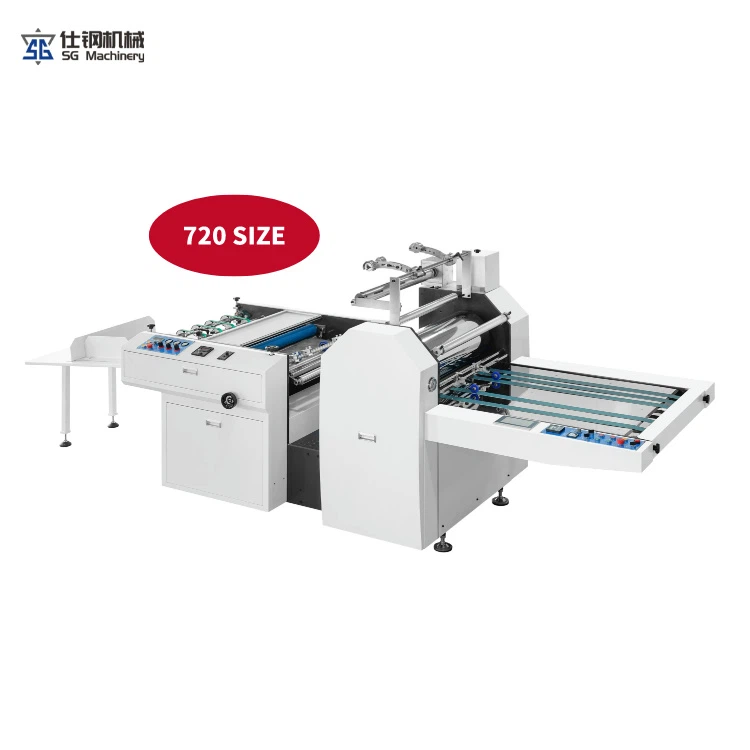
We offer a variety of laminating pouches that are compatible with our machines. For smaller projects, like laminating ID cards or small photos, our Mini Paper Laminator works great with the corresponding small - sized pouches. If you're working on larger documents, such as posters or big certificates, the Big Paper Laminator Machine can handle larger pouches. And for general - purpose laminating of regular papers, our Flatbed Paper Laminator is a top choice.
Preparing Your Documents
Before you start laminating, you need to prepare your documents. Make sure they are clean and free of any dust, dirt, or fingerprints. You can use a soft cloth to gently wipe them if necessary.
If your document has any folds or creases, try to flatten them out as much as possible. You can use a book or a heavy object to press the document for a while to get rid of the creases.
Loading the Pouches and Documents
Now it's time to load the laminating pouches and your documents. Open the laminating pouch carefully and insert your document into it. Make sure the document is centered and straight inside the pouch.
For machines with a feed slot, slowly insert the pouch with the document into the slot. Some machines have a guide to help you align the pouch properly. Follow the instructions in the manual for the correct way to feed the pouch into the machine.
Laminating Process
Once the pouch is inserted, start the laminating process. If it's a manual machine, you'll need to turn the handle or crank to move the pouch through the laminating rollers. For electric machines, the rollers will automatically pull the pouch through.
Go at a steady pace. Don't rush it, or you might end up with air bubbles or uneven lamination. Keep an eye on the process to make sure everything is going smoothly.
Troubleshooting Common Issues
Sometimes, you might run into a few problems while laminating. One common issue is air bubbles. If you see air bubbles in the laminated document, it could be because the pouch wasn't inserted properly or the laminating speed was too fast. You can try to gently press out the air bubbles with a flat object, like a credit card, while the lamination is still warm.
Another issue could be uneven lamination. This might be due to the document not being centered in the pouch or the rollers not being adjusted correctly. Refer to the user manual for instructions on how to adjust the rollers if needed.
Maintenance
To keep your manual laminating machine in good working condition, regular maintenance is important. After each use, clean the rollers with a soft, dry cloth to remove any debris or residue.
If your machine has a heating element (for thermal laminators), make sure to let it cool down completely before storing it. Check the power cord regularly for any signs of damage.
Safety Precautions
Safety should always be a top priority. When using an electric laminating machine, never touch the heating elements while the machine is on or still hot. Keep the machine away from water and other liquids to avoid electrical hazards.
If you're using a manual machine, be careful when turning the handle or crank to avoid getting your fingers caught in the rollers.
Conclusion
Starting to use a new manual laminating machine might seem a bit daunting at first, but with these tips, you'll be a pro in no time. Remember to read the user manual, choose the right pouches, prepare your documents properly, and follow the laminating process carefully.
If you have any questions or need further assistance, don't hesitate to reach out to us. We're here to help you get the most out of your manual laminating machine. Whether you're a small business owner looking to laminate important documents, a teacher laminating classroom materials, or just someone who wants to preserve their precious photos, our machines are designed to meet your needs.
So, if you're interested in purchasing a manual laminating machine or need more information about our products, feel free to contact us for a friendly chat and discuss your requirements. We're looking forward to working with you!

References
- Manufacturer's user manuals for manual laminating machines
- Industry best practices for laminating and machine maintenance