

What is the best temperature setting for a hot paper sheets laminator?
Jul 07, 2025
Leave a message
Hey there! As a supplier of paper sheets laminators, I've been getting a ton of questions lately about the best temperature setting for these nifty machines. So, I thought I'd sit down and share some insights based on my experience in the industry.
First off, let's talk about why temperature matters when it comes to laminating paper sheets. The main goal of laminating is to bond a plastic film to the paper, creating a protective layer that makes the paper more durable, resistant to moisture, and gives it a professional look. The temperature at which you run your laminator plays a crucial role in achieving a good bond.
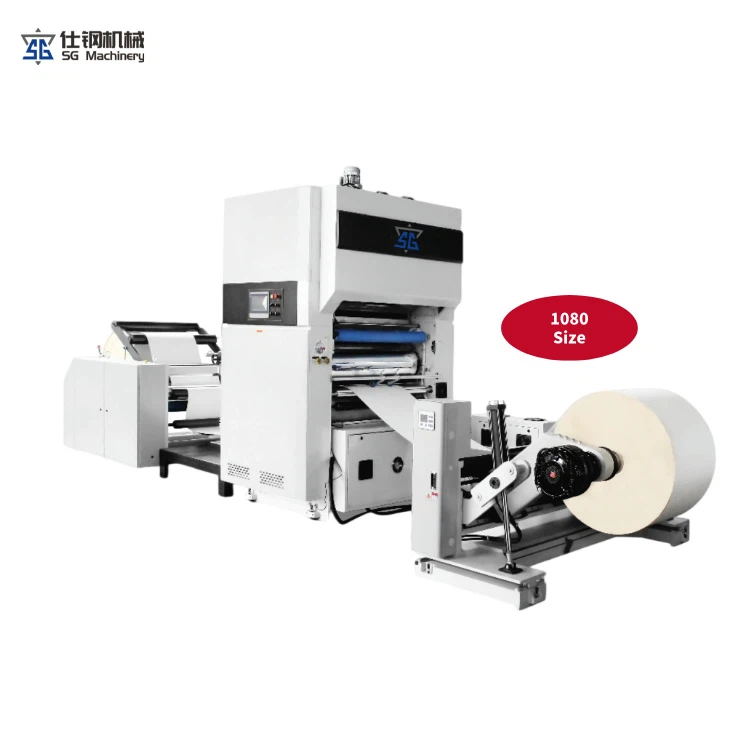

If the temperature is too low, the adhesive on the laminating film won't melt properly, and you'll end up with a weak bond. The film might not stick to the paper evenly, leading to bubbles, wrinkles, or even parts of the film peeling off over time. On the other hand, if the temperature is too high, you risk damaging the paper. The heat can cause the paper to warp, turn yellow, or even catch fire in extreme cases.
Now, the ideal temperature setting for a hot paper sheets laminator depends on several factors. One of the most important factors is the type of laminating film you're using. Different films have different melting points, so it's essential to check the manufacturer's instructions for the recommended temperature range.
For example, if you're using a standard polyester laminating film, which is one of the most common types, the typical temperature range is between 130°F (54°C) and 160°F (71°C). This range is usually suitable for most general-purpose laminating jobs, like laminating documents, photos, or business cards.
However, if you're using a thicker or specialty film, such as a heavy-duty polyester film or a film with a higher gloss finish, you might need to increase the temperature slightly. These films often require a higher temperature to ensure proper adhesion. In some cases, you might need to go up to 180°F (82°C) or even 200°F (93°C).
Another factor that affects the ideal temperature setting is the type of paper you're laminating. Thicker papers, like cardstock or poster board, can usually withstand higher temperatures without warping. So, you can generally use a slightly higher temperature setting when laminating these types of papers. On the other hand, thinner papers, like regular printer paper, are more sensitive to heat and might require a lower temperature to prevent damage.
The speed at which you run the paper through the laminator also plays a role in determining the temperature setting. If you run the paper through the laminator too quickly, the adhesive might not have enough time to melt and bond properly. In this case, you might need to increase the temperature slightly to compensate. Conversely, if you run the paper through too slowly, you risk overheating the paper and causing damage.
Let's say you're using a Paper Roll Laminator. These machines are great for laminating large sheets of paper or continuous rolls of paper. When using a paper roll laminator, it's important to make sure the temperature is evenly distributed across the width of the laminating roller. This helps ensure a consistent bond across the entire sheet of paper.
If you're using a Roll Laminator, which is similar to a paper roll laminator but might have different features and capabilities, you'll also need to pay attention to the temperature setting. Roll laminators are often used for laminating documents or photos in a roll format, and they can be adjusted to different speeds and temperatures depending on the job.
For commercial applications, a Commercial Laminator is usually the way to go. These machines are designed to handle high-volume laminating jobs and are often more powerful and versatile than consumer-grade laminators. When using a commercial laminator, you'll typically have more control over the temperature setting, and you might need to experiment a bit to find the ideal temperature for your specific needs.
Here's a general guideline to help you determine the best temperature setting for your hot paper sheets laminator:
- Start with the manufacturer's recommended temperature range for the laminating film you're using.
- If you're laminating a thick or specialty paper, or if you're using a thicker or specialty film, start at the higher end of the recommended temperature range.
- Make a test run on a scrap piece of paper and film. Check the results for proper adhesion, bubbles, or any signs of damage.
- If the bond is weak or there are bubbles, increase the temperature slightly and make another test run.
- If the paper is warping or turning yellow, decrease the temperature and try again.
- Once you've found the ideal temperature setting for your specific job, make sure to keep it consistent throughout the laminating process.
It's also a good idea to let your laminator warm up for a few minutes before you start laminating. This allows the machine to reach the desired temperature and ensures more consistent results.
In addition to following these guidelines, there are a few other tips to help you get the best results from your hot paper sheets laminator. First, make sure the paper and film are clean and free of dust, dirt, or fingerprints. Any contaminants on the surface can prevent proper adhesion and cause bubbles or other defects.
Second, try to keep the laminating environment as stable as possible. Avoid laminating in a drafty area or near a heat source, as this can affect the temperature and humidity levels, which in turn can affect the laminating process.
Finally, always use caution when operating a hot paper sheets laminator. The heating elements can get very hot, so make sure to follow the safety instructions provided by the manufacturer. Never leave the laminator unattended while it's in use, and keep it away from flammable materials.
So, there you have it! The best temperature setting for a hot paper sheets laminator depends on the type of laminating film, the type of paper, and the specific laminating job you're doing. By following the guidelines and tips I've shared, you should be able to find the ideal temperature setting for your needs and achieve professional-looking results every time.
If you're in the market for a hot paper sheets laminator or have any questions about laminating, feel free to reach out. We're here to help you find the right machine for your needs and provide you with all the support and advice you need to get the best results. Let's start a conversation about your laminating requirements and see how we can assist you in achieving your goals.
References
- Various laminating film manufacturers' instructions
- Industry best practices and experience in the laminating field