

Can I use different thicknesses of laminating films in a roll laminator?
Sep 30, 2025
Leave a message
As a supplier of roll laminators, one of the most frequently asked questions I encounter is whether different thicknesses of laminating films can be used in a roll laminator. This is a crucial query for many businesses and individuals who rely on laminators to protect and enhance their documents, photos, and other materials. In this blog post, I will delve into this topic in detail, exploring the possibilities, limitations, and best practices associated with using various film thicknesses in a roll laminator.
Understanding Roll Laminators and Laminating Films
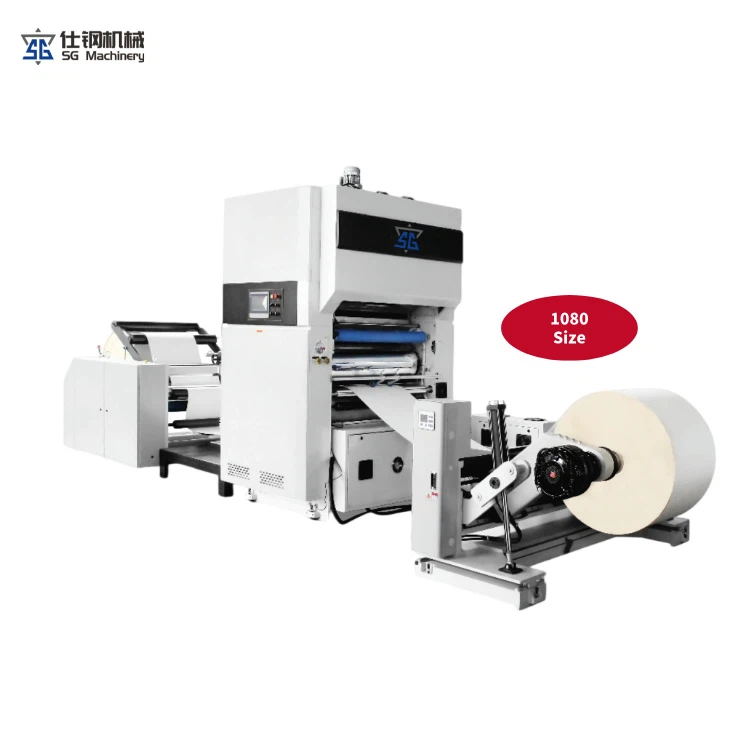
Before we discuss the compatibility of different film thicknesses, it's essential to understand the basic components of a roll laminator and the types of laminating films available. A roll laminator consists of two heated rollers that apply pressure and heat to a laminating film, bonding it to the surface of a document or material. The film comes in rolls of various widths and thicknesses, typically measured in mils (thousandths of an inch).
Laminating films are classified into two main types: thermal and pressure-sensitive. Thermal films require heat to activate the adhesive, while pressure-sensitive films bond to the material through pressure alone. For the purpose of this discussion, we will focus on thermal laminating films, as they are the most commonly used with roll laminators.
Can You Use Different Thicknesses of Laminating Films?
The short answer is yes, you can use different thicknesses of laminating films in a roll laminator. However, there are several factors to consider to ensure optimal results.
Compatibility with the Laminator
Not all roll laminators are designed to handle every thickness of laminating film. Some laminators have a limited range of film thicknesses they can accommodate. Before using a new film thickness, it's crucial to consult the manufacturer's specifications for your laminator. These specifications will indicate the minimum and maximum film thicknesses that the machine can handle safely and effectively.
For example, a basic entry-level roll laminator may be suitable for films ranging from 1.5 to 3 mils, while a more advanced commercial model may be capable of handling films up to 10 mils or more. Using a film that is too thick for your laminator can cause overheating, jams, or damage to the machine. Conversely, using a film that is too thin may result in poor adhesion or a lack of protection.
Adjusting the Temperature and Speed
When using different thicknesses of laminating films, you may need to adjust the temperature and speed settings on your roll laminator. Thicker films generally require higher temperatures and slower speeds to ensure proper adhesion. This is because the heat needs to penetrate the thicker film to activate the adhesive fully.
For instance, a 1.5-mil film may require a temperature setting of around 200°F (93°C) and a speed of 3 feet per minute, while a 5-mil film may need a temperature of 250°F (121°C) and a speed of 1.5 feet per minute. It's important to make these adjustments gradually and test a small sample before laminating a large batch of materials.
Quality of the Lamination
The quality of the lamination can also be affected by the film thickness. Thicker films provide more protection and durability, making them ideal for items that will be handled frequently or exposed to harsh conditions. However, they may also be more rigid and less flexible, which can be a drawback for some applications.
On the other hand, thinner films are more flexible and can conform to curved or irregular surfaces more easily. They are also less noticeable, making them a good choice for items where a subtle appearance is desired. However, they may not offer as much protection as thicker films.
Benefits of Using Different Thicknesses of Laminating Films
Using different thicknesses of laminating films in a roll laminator offers several benefits:
Versatility
By being able to use a range of film thicknesses, you can cater to a wider variety of laminating needs. For example, you can use a thin film for laminating photos or documents that require a delicate touch, and a thick film for laminating signs, banners, or other items that need extra protection.

Cost-Effectiveness
Using the appropriate film thickness for each application can help you save money. You don't need to use a thick, expensive film for every job; instead, you can choose a thinner, more cost-effective option for less demanding applications.
Customization
Different film thicknesses allow you to customize the look and feel of your laminated items. You can create a variety of effects, from a subtle, professional finish to a bold, protective coating.
Best Practices for Using Different Thicknesses of Laminating Films
To ensure the best results when using different thicknesses of laminating films in a roll laminator, follow these best practices:
Read the Manufacturer's Instructions
As mentioned earlier, always consult the manufacturer's specifications for your laminator before using a new film thickness. This will help you avoid any potential problems and ensure that you are using the machine correctly.
Test a Sample
Before laminating a large batch of materials, test a small sample with the new film thickness. This will allow you to adjust the temperature and speed settings as needed and ensure that the lamination quality meets your expectations.
Clean the Rollers Regularly
Regularly cleaning the rollers of your roll laminator is essential, especially when using different film thicknesses. Residue from the film can build up on the rollers over time, affecting the quality of the lamination. Use a clean, dry cloth to wipe the rollers after each use, and follow the manufacturer's instructions for more thorough cleaning.
Store the Films Properly
Proper storage of laminating films is crucial to maintain their quality. Keep the films in a cool, dry place away from direct sunlight and moisture. This will prevent the film from warping or deteriorating, which can affect the lamination process.
Conclusion
In conclusion, using different thicknesses of laminating films in a roll laminator is possible, but it requires careful consideration of the laminator's capabilities, temperature and speed settings, and the quality of the lamination. By following the best practices outlined in this blog post, you can achieve optimal results and take advantage of the versatility and customization options offered by different film thicknesses.
If you're in the market for a roll laminator or need advice on choosing the right laminating films for your needs, we're here to help. As a leading supplier of Roll Laminator, Sheet Laminator Machine, and Commercial Laminator, we have the expertise and products to meet your laminating requirements. Contact us today to discuss your options and start your laminating project with confidence.
References
- Manufacturer's manuals for roll laminators
- Industry standards and guidelines for laminating films
- Professional laminating industry publications