

Can a wide laminator laminate reflective materials?
Oct 08, 2025
Leave a message
Can a wide laminator laminate reflective materials? That's a question I've been getting a lot lately, and as a wide laminator supplier, I'm more than happy to dive into it.
First off, let's understand what reflective materials are. Reflective materials are designed to reflect light, and they're used in a variety of applications. You'll find them on road signs, safety vests, and even in some high - tech packaging. These materials usually have a special coating or structure that allows them to bounce back light effectively.
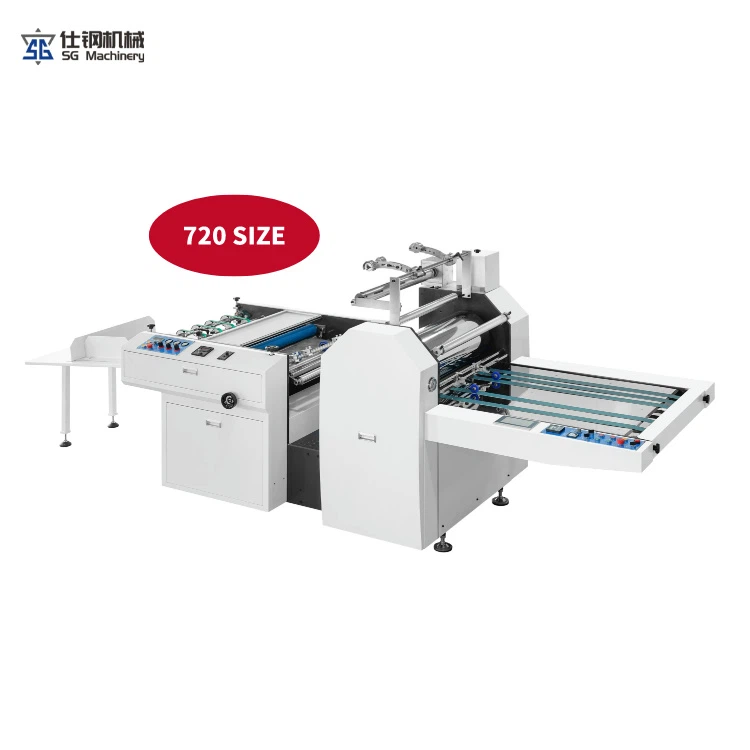
Now, onto wide laminators. A wide laminator is a machine that can laminate large - sized materials. It's great for things like posters, banners, and large - format prints. The main purpose of lamination is to protect the printed material, give it a better finish, and sometimes enhance its durability.
So, can a wide laminator handle reflective materials? The short answer is yes, but there are some things to consider.
Compatibility of Materials
Reflective materials come in different types, such as vinyl - based reflective films and glass - bead reflective sheeting. The compatibility with a wide laminator depends on the type of laminating film used in the machine. Most wide laminators use either thermal or pressure - sensitive laminating films.
Thermal laminating films are heated to bond with the material. When it comes to reflective materials, the heat has to be carefully controlled. If the temperature is too high, it can damage the reflective properties of the material. Some reflective materials have a low melting point, and excessive heat can cause the reflective coating to bubble or peel off. On the other hand, if the temperature is too low, the lamination might not be strong enough, and the film could delaminate over time.
Pressure - sensitive laminating films rely on pressure to bond with the material. They're generally more forgiving when it comes to heat - sensitive reflective materials. However, the pressure settings on the wide laminator need to be adjusted properly. Too much pressure can also distort the reflective surface, while too little pressure won't create a good bond.
Machine Capabilities
The capabilities of the wide laminator also play a crucial role. Some wide laminators are more versatile than others. For example, a Flatbed Paper Laminator can be a good option for laminating reflective materials. It offers more control over the lamination process, especially when it comes to temperature and pressure. You can adjust these settings according to the specific requirements of the reflective material.
A Semi - auto Paper Laminator is another option. It's a bit more flexible than a fully automatic machine, allowing you to make manual adjustments during the lamination process. This can be useful when dealing with different types of reflective materials that might require slightly different handling.
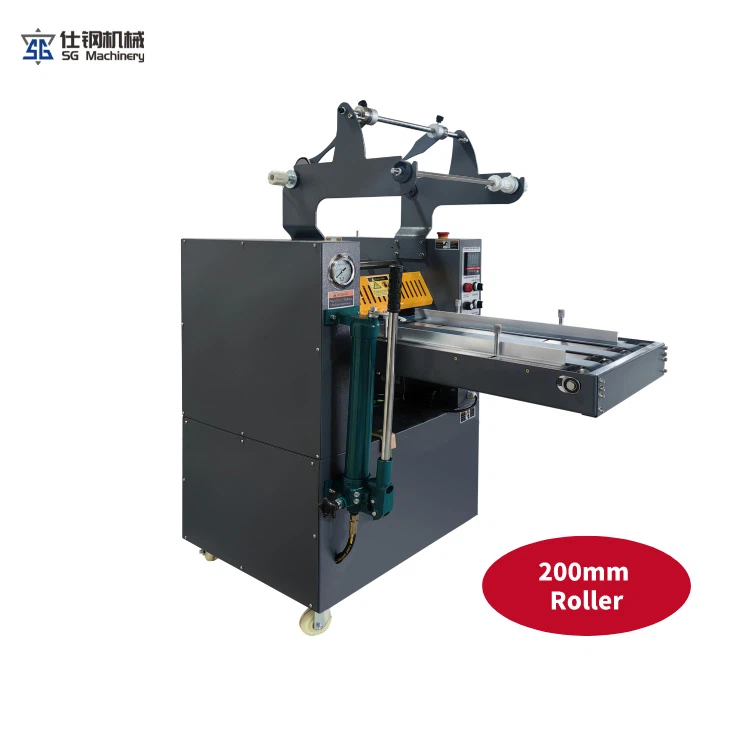
If you're working on a small - scale project or need more hands - on control, a Manual Laminator could be the way to go. It gives you complete control over the pressure and speed of the lamination, which is essential for laminating reflective materials without damaging them.
Surface Preparation
Proper surface preparation is key when laminating reflective materials. The surface of the reflective material should be clean and free of dust, dirt, and fingerprints. Any contaminants on the surface can prevent the laminating film from bonding properly, leading to air bubbles or a weak bond.
Before laminating, it's a good idea to wipe the reflective material with a clean, lint - free cloth. You can also use a mild cleaning solution if necessary, but make sure it's compatible with the reflective material. After cleaning, let the material dry completely before starting the lamination process.
Testing
Before you start laminating a large batch of reflective materials, it's always a good idea to do a test run. Take a small sample of the reflective material and laminate it using the settings you plan to use for the full - scale project. Check the results carefully. Look for any signs of damage to the reflective surface, such as bubbling, peeling, or discoloration. Also, make sure the lamination is strong and there are no air bubbles.
If the test run doesn't go well, you can adjust the settings on the wide laminator. You might need to change the temperature, pressure, or speed of the machine. Keep testing until you get the desired results.
Benefits of Laminating Reflective Materials
Laminating reflective materials can offer several benefits. Firstly, it protects the reflective surface from scratches, abrasions, and UV damage. This extends the lifespan of the reflective material, especially in outdoor applications where it's exposed to harsh environmental conditions.
Secondly, lamination can enhance the overall appearance of the reflective material. It gives it a smooth, professional finish, making it more visually appealing. This is important for applications like signage, where a high - quality appearance can attract more attention.
Conclusion
In conclusion, a wide laminator can definitely laminate reflective materials, but it requires careful consideration of the material type, machine capabilities, surface preparation, and proper testing. As a wide laminator supplier, I've seen firsthand the importance of getting these factors right.
If you're interested in laminating reflective materials and need a wide laminator, don't hesitate to reach out. We can help you choose the right machine for your specific needs and provide you with all the support you need to ensure a successful lamination process. Whether you're a small business looking to create custom reflective signage or a large - scale manufacturer, we've got you covered.
Let's start a conversation about your laminating requirements. I'm here to answer all your questions and help you make the best decision for your project.
References
- Industry standards and guidelines for laminating reflective materials
- Manufacturer's manuals for wide laminators
- Case studies on successful lamination of reflective materials in various industries