

Can a small laminator be used for laminating menus?
Oct 24, 2025
Leave a message
In the hospitality industry, the presentation of menus plays a crucial role in shaping the dining experience for customers. A well - laminated menu not only looks more professional but also protects it from spills, stains, and general wear and tear. As a small laminator supplier, I often receive inquiries about whether a small laminator can be used for laminating menus. In this blog post, I will explore this topic in detail, discussing the capabilities, limitations, and considerations when using a small laminator for menu lamination.
Capabilities of Small Laminators
Small laminators, such as the ones available on our Small Laminator page, offer several advantages when it comes to laminating menus.
Firstly, they are highly portable and space - efficient. For small restaurants, cafes, or food trucks with limited counter or storage space, a small laminator can be easily placed on a desk or tucked away when not in use. This makes it a practical choice for businesses that don't have a large dedicated area for equipment.
Secondly, small laminators are often more affordable than larger, industrial - grade models. This is a significant benefit for small businesses with tight budgets. They can achieve professional - looking laminated menus without breaking the bank.
In terms of functionality, modern small laminators can handle a variety of lamination tasks. Many are designed to work with different sizes of laminating pouches, including those suitable for standard menu sizes. They can also provide a good level of lamination quality, sealing the menu pages effectively to protect them from moisture and damage. For instance, they can create a smooth, clear laminate that enhances the overall appearance of the menu, making the text and images more vibrant.

Limitations of Small Laminators
However, small laminators also have some limitations when it comes to laminating menus.
One of the main limitations is the speed of lamination. Small laminators typically have a lower throughput compared to larger machines. If you have a large number of menus to laminate at once, such as for a new restaurant opening or a seasonal menu update, the process can be time - consuming. You may need to laminate the menus in batches, which can be a drawback if you're on a tight schedule.
Another limitation is the size of the items they can laminate. While many small laminators can handle standard menu sizes, they may not be suitable for larger, oversized menus. If your restaurant offers elaborate, large - format menus, you might find that a small laminator can't accommodate them. In such cases, you may need to consider a larger machine like our A3 Paper Laminating Machine, which is designed to handle larger paper sizes.
The durability of the lamination can also be a concern. Small laminators may not provide as thick or long - lasting a laminate as industrial - grade machines. Over time, the laminate on menus laminated with a small laminator may start to peel or bubble, especially if the menus are frequently handled or exposed to harsh conditions.
Considerations for Using a Small Laminator for Menus
If you're considering using a small laminator for your menu lamination needs, there are several factors to keep in mind.
Menu Material: The type of paper or cardstock used for the menus is important. Thicker and heavier materials may require a more powerful laminator to ensure a proper seal. If you're using a small laminator, it's best to choose a relatively thin and lightweight paper for your menus. This will make it easier for the laminator to handle and produce a better result.
Laminating Pouches: Selecting the right laminating pouches is crucial. Make sure to choose pouches that are compatible with your small laminator. The size of the pouches should match the size of your menus, and the thickness of the pouches can affect the final look and durability of the lamination. Thicker pouches generally provide more protection but may also require a more powerful laminator.
Maintenance: Regular maintenance is essential to keep your small laminator in good working condition. This includes cleaning the rollers, checking for any debris or jams, and following the manufacturer's instructions for lubrication and other maintenance tasks. Proper maintenance will ensure that your laminator continues to produce high - quality laminated menus.
Types of Small Laminators for Menus
There are different types of small laminators that can be used for menu lamination.
One type is the pouch laminator. This is the most common type of small laminator. It works by inserting the menu page into a laminating pouch and then running it through the laminator. The heat from the laminator melts the adhesive in the pouch, sealing it around the menu. Pouch laminators are easy to use and are suitable for small - scale menu lamination projects.
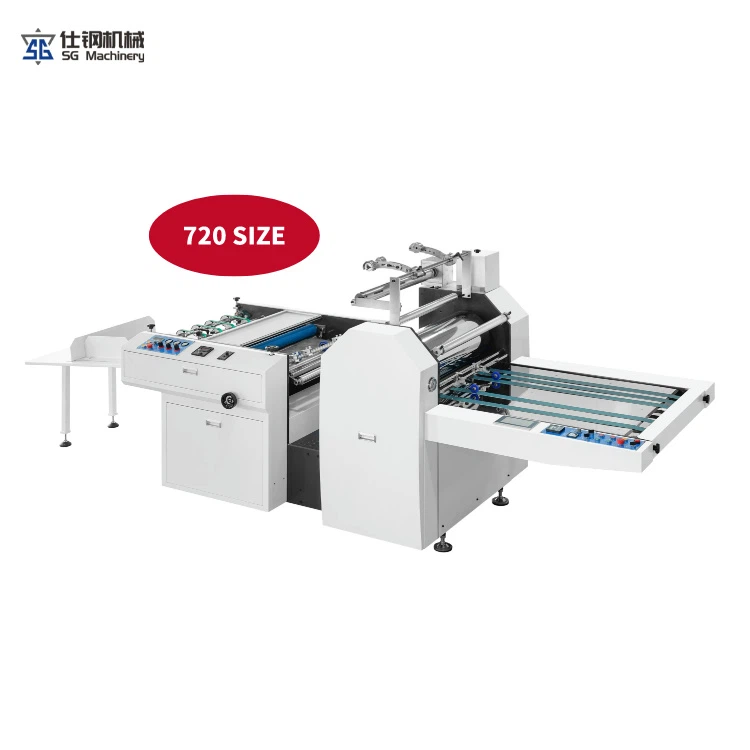
Another type is the roll laminator. Roll laminators use a continuous roll of laminate film instead of pouches. They can be more versatile in terms of handling different sizes of menus, as you can cut the film to the appropriate length. However, they may be a bit more complex to operate compared to pouch laminators. Our Flatbed Paper Laminator is an example of a machine that offers a flatbed design, which can be useful for laminating menus with a more even pressure distribution.
Tips for Successful Menu Lamination with a Small Laminator
To get the best results when using a small laminator for menu lamination, here are some tips:
- Pre - heat the laminator: Always pre - heat the laminator according to the manufacturer's instructions. This ensures that the laminator reaches the optimal temperature for a proper seal.
- Align the menu correctly: Place the menu page accurately in the laminating pouch to avoid any misalignment. This will result in a more professional - looking laminated menu.
- Use a straight edge: If you're cutting the laminated menu to size, use a straight edge to ensure a clean, straight cut.
- Test on a sample: Before laminating all your menus, test the process on a sample menu page. This allows you to make any necessary adjustments to the settings or technique.
Conclusion
In conclusion, a small laminator can be a viable option for laminating menus, especially for small businesses. It offers portability, affordability, and the ability to achieve decent lamination quality. However, it also has some limitations in terms of speed, size capacity, and durability. By considering the factors mentioned above and following the tips for successful lamination, you can make the most of a small laminator and create professional - looking laminated menus for your business.
If you're interested in learning more about our small laminators or have any questions regarding menu lamination, we encourage you to reach out. Our team of experts is ready to assist you in finding the right laminating solution for your needs. Whether you're a small restaurant, cafe, or any other business looking to enhance the presentation of your menus, we can help you make an informed decision.
References
- "Laminating Equipment Basics" - A guide to understanding different types of laminators and their uses.
- Industry reports on small business equipment trends in the hospitality industry.