

Can a roll laminator be used for laminating plastic sheets?
Sep 11, 2025
Leave a message
Hey there! As a roll laminator supplier, I often get asked a bunch of questions about our machines. One of the most common ones is, "Can a roll laminator be used for laminating plastic sheets?" Well, let's dig into this topic and find out the answer.
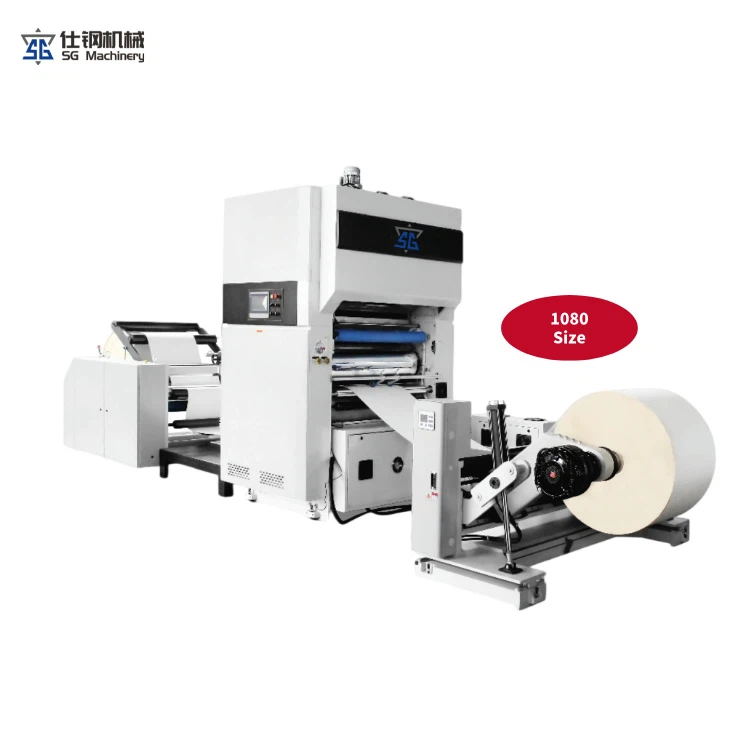
First off, let's understand what a roll laminator is. A Roll Laminator is a handy piece of equipment that uses rolling mechanisms to apply a laminate film onto a substrate. It's widely used in various industries, from printing shops to offices, for protecting and enhancing the appearance of documents, photos, and more.
Now, onto the main question: can it laminate plastic sheets? The short answer is yes, but it depends on a few factors.
Compatibility of Materials
The type of plastic sheet matters a great deal. Different plastics have different melting points, flexibility, and surface characteristics. Some common types of plastic sheets include polyethylene (PE), polypropylene (PP), polyvinyl chloride (PVC), and polyester (PET).
For instance, polyester sheets are often a great candidate for roll lamination. They have a relatively high melting point and a smooth surface, which allows the laminate film to adhere well. On the other hand, polyethylene and polypropylene can be a bit trickier. These plastics have lower melting points and can sometimes be too flexible, causing issues during the lamination process. The laminate might not bond properly, or the plastic sheet could wrinkle or warp.
Temperature and Pressure Settings
Another crucial aspect is getting the right temperature and pressure settings on your roll laminator. When laminating plastic sheets, you need to ensure that the temperature is high enough to activate the adhesive on the laminate film but not so high that it damages the plastic sheet.
If the temperature is too low, the adhesive won't bond effectively, and the lamination will peel off easily. If it's too high, the plastic sheet can melt or deform. Pressure is also important. You need to apply enough pressure to ensure a good bond between the plastic sheet and the laminate, but not so much that it crushes or distorts the plastic.
Advantages of Using a Roll Laminator for Plastic Sheets
There are several benefits to using a roll laminator for plastic sheets. Firstly, it provides a continuous and uniform lamination process. This means that you can achieve a consistent finish across the entire plastic sheet, which is especially important for applications where appearance matters, like in signage or packaging.
Secondly, roll laminators are relatively fast. They can laminate large plastic sheets in a relatively short amount of time, which is great for businesses that need to process a high volume of materials.
Applications of Laminated Plastic Sheets
Laminated plastic sheets have a wide range of applications. In the advertising and signage industry, laminated plastic sheets can be used to create durable and eye - catching signs. The laminate protects the printed image on the plastic from scratches, UV damage, and moisture, ensuring that the sign looks good for a long time.
In the packaging industry, laminated plastic sheets can be used to create more robust and attractive packaging. The laminate can add an extra layer of protection to the product inside and also enhance the visual appeal of the packaging.
Comparison with Other Laminating Machines
When it comes to laminating plastic sheets, you might also consider other types of laminators, like Commercial Laminator or Sheet Laminator Paper Machine.
Commercial laminators are often more heavy - duty and can handle a wider range of materials, including thick plastic sheets. They usually have more advanced temperature and pressure control systems, which can be beneficial when laminating tricky plastics.
Sheet laminator paper machines, on the other hand, are more suitable for smaller, individual sheets. They might not be as efficient for large - scale plastic sheet lamination as roll laminators.
Tips for Using a Roll Laminator on Plastic Sheets
If you're planning to use a roll laminator for plastic sheets, here are some tips to keep in mind. First, always test a small piece of the plastic sheet before laminating a large batch. This will help you determine the right temperature and pressure settings.

Second, make sure the plastic sheet is clean and free of dust or debris. Any contaminants on the surface can prevent the laminate from bonding properly.
Third, use the right type of laminate film. There are different types of laminate films available, such as thermal and pressure - sensitive films. Choose the one that is most suitable for your plastic sheet.
Conclusion
So, to sum it up, a roll laminator can definitely be used for laminating plastic sheets, but it's important to consider the type of plastic, adjust the temperature and pressure settings correctly, and follow some best practices. If you're in the market for a roll laminator or have any questions about laminating plastic sheets, don't hesitate to reach out. We're here to help you find the best solution for your needs. Whether you're a small business looking to laminate a few plastic signs or a large - scale manufacturer, we've got the expertise and the equipment to support you. Get in touch with us to start a conversation about your laminating requirements, and let's work together to achieve great results!
References
- "Plastic Materials and Their Properties" - A textbook on polymer science.
- Industry reports on laminating technologies and applications.