

What types of paper can be used with a flatbed paper laminator?
Dec 17, 2025
Leave a message
As a supplier of flatbed paper laminators, I've had numerous customers inquire about the types of paper that can be used with these machines. In this blog post, I'll delve into the various paper types suitable for flatbed paper laminators, providing insights to help you make informed decisions for your lamination needs.
Understanding Flatbed Paper Laminators
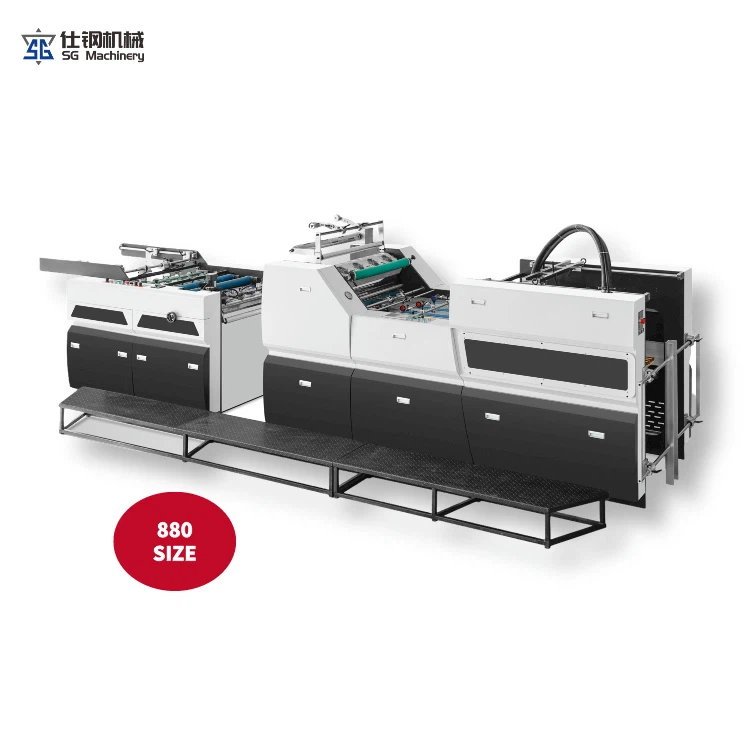
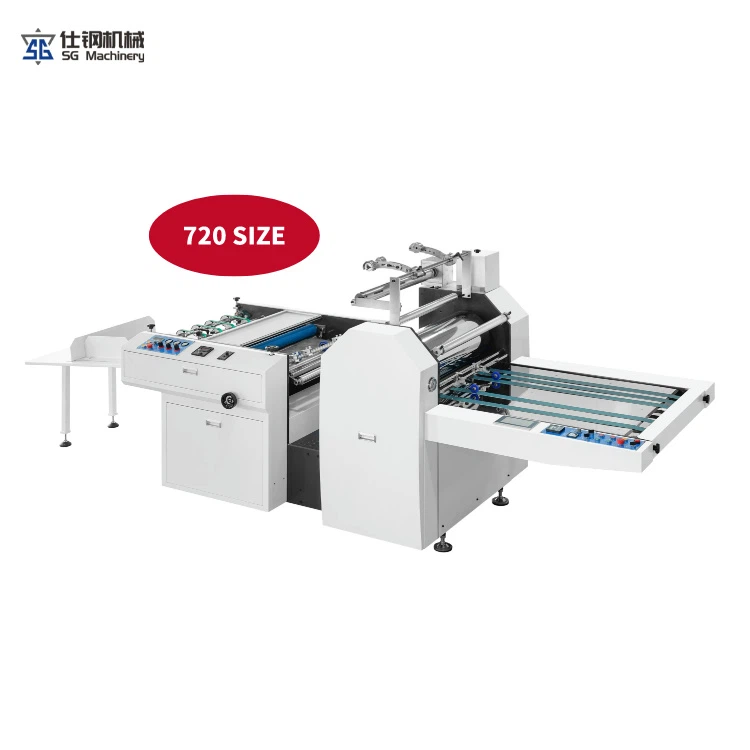
Before we explore the compatible paper types, let's briefly understand what a flatbed paper laminator is. A Flatbed Paper Laminator is a device that applies a protective plastic film to a sheet of paper. This process not only enhances the paper's durability but also improves its appearance by giving it a glossy or matte finish. The flatbed design allows for the lamination of single sheets or small batches of paper, making it ideal for a variety of applications, from document protection to artistic projects.
Types of Paper for Flatbed Paper Laminators
1. Printer Paper
Printer paper is one of the most commonly used papers with flatbed paper laminators. It comes in various weights, typically ranging from 20 lb to 32 lb. The standard 20 lb printer paper is lightweight and suitable for everyday documents such as reports, brochures, and flyers. When laminated, it becomes more resistant to tearing, smudging, and moisture. Heavier 32 lb printer paper, on the other hand, is more durable and provides a sturdier feel, making it a great choice for documents that need to withstand more handling, like menus or presentation materials.
2. Cardstock
Cardstock is a thicker and more rigid paper compared to printer paper. It is available in different weights, usually starting from 65 lb and going up to 110 lb or more. Cardstock is commonly used for business cards, invitations, greeting cards, and postcards. When laminated, cardstock becomes even more robust, protecting it from wear and tear. The lamination also adds a professional look to the cards, making them stand out.
3. Photo Paper
Photo paper is designed to produce high - quality prints with vibrant colors and sharp details. There are different types of photo paper, including glossy, matte, and satin. Glossy photo paper has a shiny finish that enhances the colors and makes the images look more vivid. Matte photo paper, on the other hand, has a non - reflective surface that reduces glare, making it suitable for viewing in bright light. Satin photo paper offers a balance between the two, with a soft sheen. Laminating photo paper not only protects the images from fading and scratching but also gives them a more professional and long - lasting appearance.
4. Art Paper
Art paper is used by artists and designers for various creative projects. It can include watercolor paper, drawing paper, and pastel paper. When laminated, art paper can preserve the artwork, preventing it from being damaged by moisture, fingerprints, or dust. The lamination also adds a layer of protection to the delicate surface of the art paper, ensuring that the colors and details of the artwork remain intact for a long time.
5. Kraft Paper
Kraft paper is a strong and durable paper made from wood pulp. It has a natural brown color and a rough texture. Kraft paper is commonly used for packaging, wrapping, and crafts. When laminated, it becomes even more resistant to water and tearing, making it suitable for outdoor applications or items that need extra protection. For example, laminated kraft paper can be used to make reusable shopping bags or outdoor signs.
Factors to Consider When Choosing Paper for Lamination
1. Thickness
The thickness of the paper is an important factor to consider. Most flatbed paper laminators have a maximum paper thickness limit. If the paper is too thick, it may not pass through the laminator smoothly, or it could cause damage to the machine. It's essential to check the manufacturer's specifications to ensure that the paper you choose is within the acceptable thickness range.
2. Surface Texture
The surface texture of the paper can also affect the lamination process. Papers with a smooth surface generally laminate better than those with a rough or textured surface. Rough surfaces may trap air bubbles between the paper and the laminate, resulting in an uneven finish. However, some laminators are designed to handle textured papers, so it's important to choose a machine that is suitable for the type of paper you plan to use.
3. Porosity
The porosity of the paper refers to how easily it absorbs liquids. Papers with high porosity may absorb the adhesive from the laminate, which can affect the quality of the lamination. Low - porosity papers are generally better for lamination as they allow the laminate to adhere evenly to the paper surface.
Other Laminating Machines and Their Compatibility
In addition to flatbed paper laminators, we also offer Automatic Hot Lamination Machine and Thermal Roll Laminator. The paper types mentioned above are also generally compatible with these machines, but there may be some differences in the lamination process.
Automatic hot lamination machines are designed for high - volume lamination. They can handle a wide range of paper thicknesses and are suitable for continuous operation. Thermal roll laminators, on the other hand, are often used for laminating large - format documents or continuous rolls of paper. They offer a fast and efficient way to laminate long strips of paper.
Conclusion
Choosing the right paper for your flatbed paper laminator is crucial to achieving high - quality lamination results. Whether you're laminating printer paper for everyday documents, cardstock for business cards, or photo paper for images, understanding the characteristics of different paper types and considering factors such as thickness, surface texture, and porosity will help you make the best choice.
If you're in the market for a flatbed paper laminator or have any questions about the lamination process and compatible paper types, I encourage you to contact us for a purchase consultation. Our team of experts is ready to assist you in finding the perfect solution for your lamination needs.
References
- "The Complete Guide to Paper Types", Paper Manufacturers Association
- "Laminating Techniques and Best Practices", Lamination Industry Journal