

What kind of pressure does a manual laminator apply?
Nov 12, 2025
Leave a message
Hey there! I'm a supplier of manual laminators, and today I wanna talk about the kind of pressure a manual laminator applies.
First off, let's understand what a manual laminator is. It's a handy device that's used to laminate various documents, photos, or other flat items. Unlike its electric counterparts, a manual laminator requires you to use some elbow - grease to get the job done. You can check out our Manual Laminator on our website to see the models we offer.
Now, the pressure applied by a manual laminator is a crucial factor in the laminating process. When you laminate something, you're essentially bonding a layer of plastic film to a substrate, like paper. The right amount of pressure ensures that the film adheres properly, creating a smooth, bubble - free finish.
The pressure in a manual laminator is generated through a set of rollers. As you feed your item through the laminator, you turn a handle, which rotates these rollers. The rollers press down on the item and the laminating film, squeezing them together.
There are two main types of pressure we need to consider: linear pressure and contact pressure.
Linear pressure refers to the force applied along the length of the item being laminated. In a manual laminator, this pressure is relatively consistent as long as you turn the handle at a steady pace. If you turn the handle too fast, the pressure might not be evenly distributed, and you could end up with uneven lamination or even bubbles in the film. On the other hand, if you turn it too slowly, it can be time - consuming, and in some cases, the film might not bond properly.
Contact pressure, on the other hand, is the force exerted between the rollers and the item at the point of contact. This pressure is what actually bonds the film to the substrate. The design of the rollers in a manual laminator is crucial here. High - quality rollers are usually made of materials that can provide a good amount of contact pressure without damaging the item being laminated. For example, some rollers are made of rubber or silicone, which can conform to the shape of the item and apply pressure evenly.
The amount of pressure a manual laminator can apply also depends on its size and construction. Smaller manual laminators, like our Small Laminator, are designed for lighter - duty tasks. They typically apply less pressure compared to larger, more heavy - duty models. These smaller laminators are great for home use or small offices where you're laminating things like ID cards, small photos, or single - page documents.
For larger items or more demanding laminating jobs, you might need a manual laminator with a stronger pressure - applying mechanism. These laminators usually have larger rollers and a more robust frame to handle the extra force. They can apply enough pressure to laminate thick documents, posters, or even multiple sheets at once.
Another factor that affects the pressure is the type of laminating film you use. There are different thicknesses and qualities of Thermal Laminator Sheets. Thicker films generally require more pressure to bond properly. If you use a thin film with a laminator that applies too much pressure, you might end up with a wrinkled or damaged film. Conversely, if you use a thick film with a laminator that doesn't apply enough pressure, the film won't bond well, and it might peel off over time.
It's also important to note that the pressure in a manual laminator can be adjusted to some extent. Some models come with adjustable rollers, which allow you to increase or decrease the gap between the rollers. By adjusting this gap, you can control the amount of pressure applied to the item being laminated. This is useful when you're working with different thicknesses of materials or films.
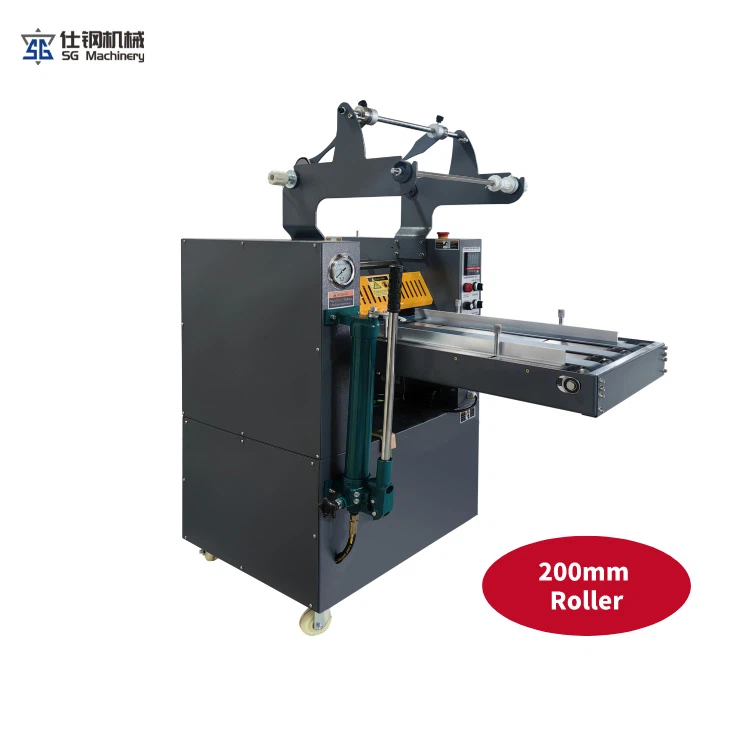

When using a manual laminator, you need to be aware of the limitations of the pressure it can apply. For example, if you're trying to laminate a very thick or rigid item, the laminator might not be able to apply enough pressure to bond the film properly. In such cases, you might need to consider using an electric laminator, which can usually apply more consistent and higher levels of pressure.
In summary, the pressure applied by a manual laminator is a combination of linear and contact pressure, which is generated by the rotation of the rollers. The amount of pressure depends on the size and construction of the laminator, the type of laminating film used, and can be adjusted to some degree. Whether you're a home user looking to laminate a few photos or a small business owner in need of laminating important documents, understanding the pressure of a manual laminator is key to achieving a great lamination result.
If you're interested in our manual laminators or have any questions about the pressure they apply, feel free to reach out. We're here to help you find the right laminating solution for your needs. We can provide more detailed information about the pressure capabilities of our different models and assist you in choosing the one that best suits your requirements. So, don't hesitate to contact us for a purchase and start laminating with confidence!
References
- General knowledge of laminating technology and manual laminator operation.
- Product specifications of our manual laminators.