

What is the environmental impact of using a wide laminator?
Sep 18, 2025
Leave a message
Hey there! As a supplier of wide laminators, I've been getting a lot of questions lately about the environmental impact of using these machines. It's a topic that's super important, not just for us as a business but for the planet as a whole. So, I thought I'd take some time to break it down and share what I know.
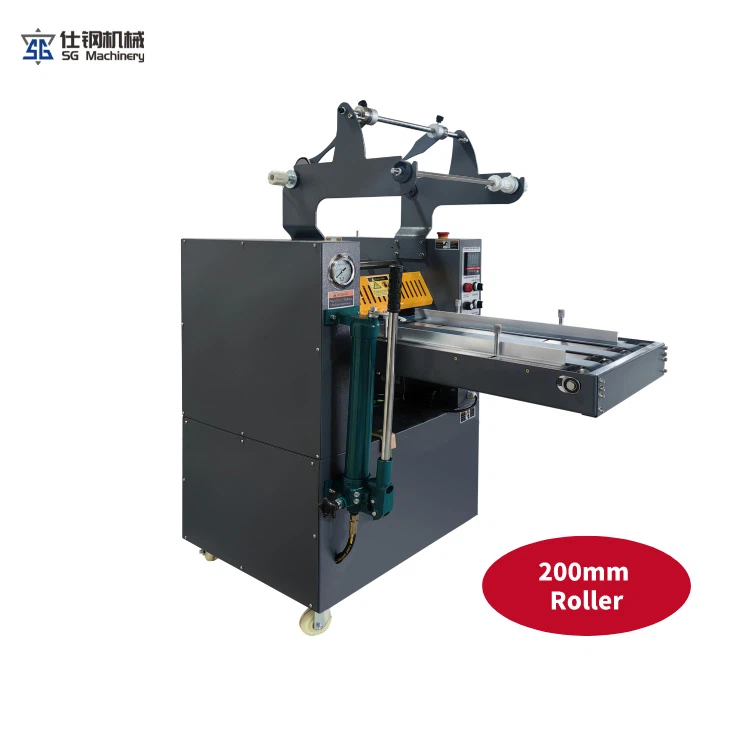
First off, let's talk about what a wide laminator actually is. A wide laminator is a machine that's used to apply a protective layer, usually a plastic film, to a wide range of materials like paper, cardboard, and photos. This protective layer helps to keep the material looking good, resist wear and tear, and sometimes even make it waterproof. We offer different types of wide laminators, such as the Flatbed Paper Laminator, which is great for flat, rigid materials, and the Manual Laminator, which gives you more control over the laminating process.
Now, let's dive into the environmental impact. One of the main concerns with wide laminators is the use of plastic laminating sheets. Most laminating sheets are made from polyethylene or polypropylene, which are types of plastic. These plastics are derived from fossil fuels, and their production is energy - intensive. It takes a lot of resources to extract, refine, and process the raw materials into these sheets.
When it comes to the energy consumption of wide laminators, thermal laminators are the most common type. These machines use heat to activate the adhesive on the laminating sheets and bond them to the material. The heating elements in thermal laminators need a significant amount of electricity to operate. If you're running a laminator for long hours every day, it can really add up in terms of energy usage and your electricity bill. For example, large - scale commercial wide laminators that are used in printing shops or packaging facilities can consume a substantial amount of power.
Another aspect is the waste generated. Once the laminated material reaches the end of its life, it can be difficult to recycle. The combination of the base material (like paper) and the plastic laminate makes it a mixed - material waste. Recycling facilities often struggle to separate the different components, which means that a lot of laminated waste ends up in landfills. And since plastic takes hundreds of years to decompose, this can have a long - term negative impact on the environment.
But it's not all doom and gloom. There are ways to reduce the environmental impact of using wide laminators. For starters, we can look at the type of laminating sheets we use. There are now Thermal Laminator Sheets available that are made from more sustainable materials. Some companies are producing laminating sheets from bio - based plastics, which are derived from renewable resources like corn starch or sugarcane. These bio - based plastics have a lower carbon footprint compared to traditional plastics.
In terms of energy consumption, newer models of wide laminators are being designed to be more energy - efficient. They use advanced heating technologies that require less power to reach and maintain the optimal laminating temperature. Some laminators also have energy - saving features like automatic shut - off when they're not in use for a certain period.
As a supplier, we're committed to promoting more sustainable practices. We're working with manufacturers to source laminating sheets that are more environmentally friendly and to offer energy - efficient wide laminators. We also encourage our customers to think about the end - of - life of the laminated products. For example, if possible, they can try to reuse the laminated materials instead of throwing them away. Maybe a laminated poster can be repurposed for another event or a laminated document can be used as a template for future projects.
Now, if you're in the market for a wide laminator, it's important to consider the environmental impact along with the features and performance of the machine. We can help you choose the right laminator that meets your needs while also being kind to the planet. Whether you're a small business owner looking for a Manual Laminator for occasional use or a large corporation in need of a high - volume Flatbed Paper Laminator, we've got you covered.

If you have any questions about our wide laminators or want to learn more about how we're working to reduce the environmental impact, feel free to reach out. We're always happy to have a chat and help you make an informed decision. Let's work together to make the laminating process more sustainable!
References
- "Plastic Laminating Films: Production and Environmental Impact", Journal of Environmental Studies
- "Energy - Efficient Technologies in Laminating Machines", International Journal of Energy Research