

What is the difference between hot and cold thermal roll laminators?
Sep 24, 2025
Leave a message
In the world of document protection and enhancement, thermal roll laminators have emerged as indispensable tools. They offer a reliable way to add a layer of durability, shine, and protection to various materials, from important documents to promotional materials. When it comes to thermal roll laminators, there are two primary types: hot and cold. As a seasoned thermal roll laminator supplier, I've witnessed firsthand the unique features and applications of each type. In this blog post, I'll delve into the differences between hot and cold thermal roll laminators, helping you make an informed decision for your specific needs.
Working Principle
The fundamental difference between hot and cold thermal roll laminators lies in their working principles. Hot laminators use heat to activate an adhesive layer on the laminating film. When the film and the document pass through the heated rollers of the laminator, the adhesive melts and bonds the film to the document. This process creates a strong, permanent seal that is resistant to moisture, tearing, and fading.
On the other hand, cold laminators do not rely on heat. Instead, they use pressure to bond the laminating film to the document. The film has a pre - applied pressure - sensitive adhesive that activates when pressure is applied by the rollers. This makes cold laminators suitable for materials that are sensitive to heat, such as photographs with heat - sensitive inks or documents with electronic components.
Laminating Quality
Hot laminators generally provide a higher - quality laminate. The heat - activated adhesive creates a tight, uniform bond that results in a smooth and professional finish. The laminate is less likely to bubble or wrinkle, and it adheres well to a wide range of materials, including paper, cardstock, and thin plastics. The high - temperature process also ensures that the laminate is more durable and long - lasting, making it ideal for items that will be handled frequently or exposed to harsh conditions.
Cold laminators, while offering a good level of protection, may not provide the same level of quality as hot laminators. The pressure - sensitive adhesive can sometimes result in a less - smooth finish, and there is a higher risk of bubbles or uneven bonding. However, for materials that cannot withstand heat, the cold laminating process is the only viable option, and modern cold laminators have made significant improvements in reducing these issues.
Speed and Efficiency
Hot laminators tend to be slower than cold laminators. This is because they need to heat up before they can start laminating. The warm - up time can range from a few minutes to over ten minutes, depending on the size and power of the laminator. Once heated, the laminating process itself is relatively fast, but the overall time from start to finish is longer due to the warm - up period.
Cold laminators, on the other hand, can start laminating immediately. There is no need to wait for a warm - up time, which makes them more efficient for quick jobs or when you need to laminate multiple items in a short period. This makes cold laminators a popular choice for on - the - spot laminating in retail or event settings.
Safety
Safety is an important consideration when choosing a laminator. Hot laminators pose a risk of burns due to their heated rollers. They also generate heat, which can increase the temperature in the surrounding area and potentially be a fire hazard if not used properly. It is essential to follow safety guidelines, such as keeping the laminator away from flammable materials and ensuring proper ventilation.

Cold laminators are much safer in terms of heat - related risks. Since they do not use heat, there is no risk of burns from the rollers, and they do not generate heat that could cause a fire. This makes them a better choice for environments where safety is a primary concern, such as schools or offices with inexperienced users.
Cost
The cost of hot and cold laminators can vary significantly. Hot laminators are generally more expensive than cold laminators. This is because they require heating elements and more complex technology to control the temperature. Additionally, the laminating film for hot laminators can also be more expensive due to the heat - activated adhesive.
Cold laminators are more affordable, both in terms of the machine itself and the laminating film. This makes them a cost - effective option for small businesses or home users who have a limited budget or only need to laminate occasionally.
Applications
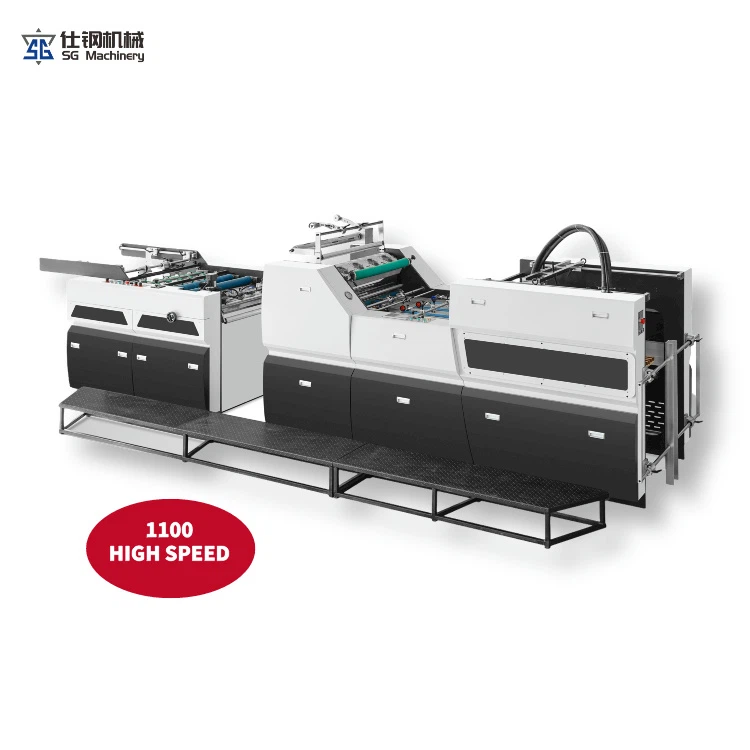
Hot laminators are widely used in a variety of professional settings. They are ideal for laminating business cards, ID cards, menus, and important documents that need to be protected for a long time. They are also commonly used in the printing industry for laminating brochures, posters, and other promotional materials. For example, a printing company might use a Wide Laminator to laminate large - format posters for advertising campaigns.
Cold laminators are more commonly used for heat - sensitive materials. They are popular in the photography industry for laminating prints, as well as in the arts and crafts field for laminating handmade cards or scrapbook pages. Schools also often use cold laminators to protect student work, especially when dealing with materials that could be damaged by heat. An Automatic Heat Laminator Machine is a great option for high - volume hot lamination tasks in a professional environment, while cold laminators are better for quick, on - demand jobs.
Maintenance
Hot laminators require more maintenance than cold laminators. The heating elements need to be checked regularly to ensure they are working properly, and the rollers may need to be cleaned to remove any adhesive residue that can build up over time. If the laminator overheats or malfunctions, it can be more difficult and expensive to repair.
Cold laminators are relatively low - maintenance. Since they do not have heating elements, there is less risk of mechanical failure. The rollers only need to be cleaned occasionally to remove dust and debris, and the pressure - sensitive adhesive does not leave as much residue as the heat - activated adhesive.
Conclusion
In conclusion, the choice between a hot and cold thermal roll laminator depends on your specific needs. If you need a high - quality, durable laminate for a wide range of materials and are not concerned about heat sensitivity, a hot laminator is the way to go. It offers a professional finish and long - lasting protection. However, if you are working with heat - sensitive materials or need a quick and affordable solution, a cold laminator is a better option.
As a thermal roll laminator supplier, I understand that finding the right laminator for your business or personal use is crucial. Whether you are looking for a Wide Laminator for large - scale projects or a smaller, more portable model, we have a wide range of options to suit your requirements.
If you are interested in learning more about our products or would like to discuss your laminating needs, please feel free to reach out. Our team of experts is ready to assist you in making the best choice for your laminating projects. We can provide detailed product information, offer advice on laminating techniques, and help you find the most cost - effective solution for your budget. Contact us today to start your procurement process and take your laminating to the next level.
References
- "Laminating Technology Handbook" by Laminating Industry Association
- "Guide to Document Protection and Laminating" by Office Supplies Journal
- Manufacturer's manuals for hot and cold thermal roll laminators