

How to calibrate a wide laminator?
Jun 13, 2025
Leave a message
Hey there! As a supplier of wide laminators, I often get asked about how to calibrate these machines. Calibrating a wide laminator is crucial to ensure that it works efficiently and produces high - quality laminated products. In this blog, I'll walk you through the steps to calibrate a wide laminator like a pro.
Why Calibration is Important
Before we dive into the calibration process, let's quickly talk about why it's so important. A well - calibrated wide laminator can save you a lot of time and money. It ensures that the lamination is evenly applied, which means fewer wasted materials due to uneven lamination or bubbles. It also helps in extending the lifespan of your laminator by reducing unnecessary wear and tear on the parts.
Pre - Calibration Checks
First things first, you need to do some pre - calibration checks. Start by cleaning the laminator thoroughly. Remove any dust, debris, or old lamination film that might be stuck inside the machine. You can use a soft, dry cloth to wipe down the rollers and other accessible parts.
Next, check the power supply. Make sure the laminator is properly plugged in and that the voltage is correct. Incorrect voltage can cause the laminator to operate erratically, leading to poor lamination results.
Also, inspect the lamination film. Ensure that it is of good quality and is compatible with your wide laminator. Using the wrong type of film can not only affect the calibration but also damage the machine.
Calibrating the Temperature
Temperature calibration is one of the most important steps in calibrating a wide laminator. Different types of lamination films require different temperatures for proper adhesion.
Most wide laminators come with a temperature control panel. To start, refer to the manufacturer's instructions to find out the recommended temperature for the type of film you're using. Set the temperature on the control panel accordingly.
Let the laminator heat up for the recommended time. This usually takes around 10 - 15 minutes, but it can vary depending on the machine. Once it's heated up, take a small test piece of the material you want to laminate and run it through the laminator.
Check the lamination quality of the test piece. If the film is not sticking properly, the temperature might be too low. In this case, increase the temperature in small increments (about 5 - 10 degrees) and run another test piece. If the film looks burned or is bubbling, the temperature is too high. Lower the temperature and test again until you get the perfect lamination.
Adjusting the Pressure
Proper pressure adjustment is also key to getting a good lamination. If the pressure is too low, the film might not adhere well, and if it's too high, it can cause the film to wrinkle or the material to warp.
Most wide laminators have pressure adjustment knobs or levers. Start by setting the pressure to the middle position. Run another test piece through the laminator.
Examine the test piece. If the lamination is uneven, with some areas having better adhesion than others, you'll need to adjust the pressure. If the edges of the lamination are peeling, increase the pressure slightly. If the material is being squeezed too much or is showing signs of damage, decrease the pressure.
Keep making small adjustments and testing until you achieve an even and smooth lamination across the entire test piece.
Aligning the Rollers
The alignment of the rollers is another important factor in the calibration process. Misaligned rollers can cause the lamination to be off - center or can create uneven pressure.
To check the roller alignment, look at the rollers from the side of the laminator. They should be parallel to each other. If you notice any visible misalignment, most wide laminators have adjustment screws or bolts that you can use to realign the rollers.
Loosen the appropriate screws or bolts slightly and carefully adjust the position of the roller until it's parallel to the other. Tighten the screws or bolts back up and run a test piece through the laminator to see if the alignment has improved.
Calibrating the Speed
The speed at which the material passes through the laminator can also affect the lamination quality. If the speed is too fast, the film might not have enough time to adhere properly, and if it's too slow, it can cause over - heating and damage to the material.
Most wide laminators have a speed control feature. Start by setting the speed to a medium setting. Run a test piece through the laminator and check the lamination quality.
If the lamination looks rushed or the film is not fully bonded, slow down the speed. If the material is getting too hot or is being damaged, increase the speed. Make small adjustments and test until you find the optimal speed for your specific material and film combination.
Using Different Types of Laminators
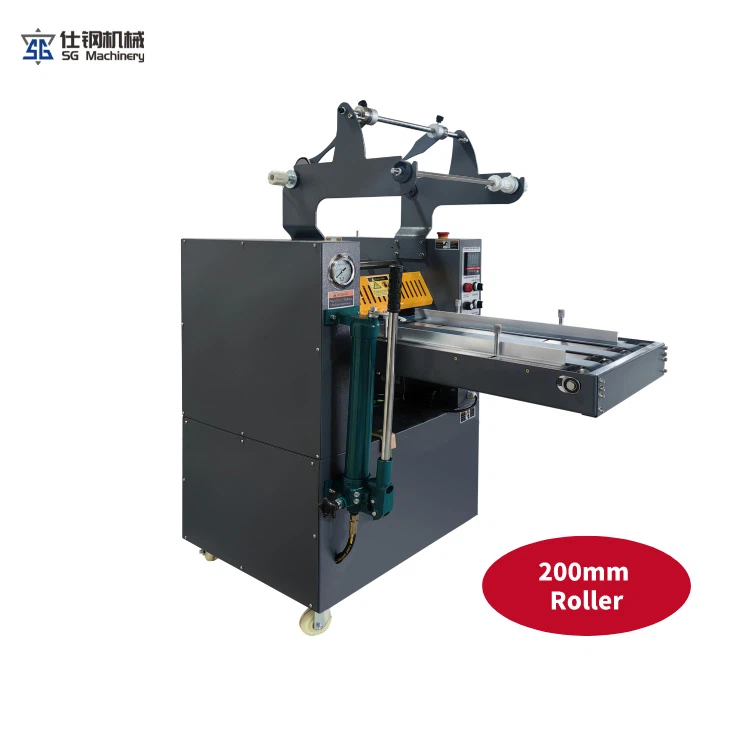
There are different types of wide laminators, such as Thermal Roll Laminator and Manual Laminator and Manual Laminator.
Thermal roll laminators use heat to activate the adhesive on the lamination film. The calibration process for these is mainly focused on temperature, pressure, and speed settings as described above.
Manual laminators, on the other hand, require more hands - on control. When calibrating a manual laminator, you need to pay extra attention to the pressure you apply while feeding the material through the rollers. You can use the same principles of temperature and film compatibility, but the pressure adjustment is more of a manual process.
Final Checks
After you've completed all the calibration steps, run a few more test pieces through the laminator. Check the lamination quality of each piece carefully. Look for any signs of uneven adhesion, bubbles, wrinkles, or other defects.
If you're still not satisfied with the results, go back and re - check the calibration steps. It might take a few tries to get everything just right.
Conclusion
Calibrating a wide laminator might seem like a complex process, but with a little patience and following the right steps, you can get your machine working at its best. A well - calibrated laminator will not only give you high - quality lamination results but also save you time and money in the long run.
If you're in the market for a wide laminator or need more advice on calibration and maintenance, don't hesitate to reach out. We're here to help you make the most of your laminating experience. Whether you're a small business owner looking to laminate marketing materials or a large - scale operation, we have the right wide laminator for you. Contact us to start a procurement discussion and find the perfect solution for your needs.
References
- Manufacturer's manuals of wide laminators
- Industry best practices for laminator calibration and operation