

How do I deal with uneven lamination in a thermal roll laminator?
Sep 11, 2025
Leave a message
As a supplier of thermal roll laminators, I've encountered numerous customers facing the issue of uneven lamination. It's a common problem that can significantly affect the quality of the final laminated product. In this blog, I'll share some insights and practical solutions on how to deal with uneven lamination in a thermal roll laminator.
Understanding the Causes of Uneven Lamination
Before we delve into the solutions, it's crucial to understand the root causes of uneven lamination. Several factors can contribute to this problem, including:
1. Improper Temperature Settings
The temperature of the laminator plays a vital role in achieving a smooth and even lamination. If the temperature is too low, the laminating film may not adhere properly to the document, resulting in bubbles or uneven bonding. On the other hand, if the temperature is too high, the film may melt or warp, causing uneven lamination.
2. Uneven Pressure Distribution
Another common cause of uneven lamination is uneven pressure distribution across the laminating rollers. This can occur if the rollers are not properly aligned or if there is debris or dust on the rollers. When the pressure is uneven, the laminating film may not be pressed evenly against the document, leading to uneven lamination.
3. Low - Quality Laminating Film
The quality of the laminating film also affects the lamination result. Low - quality films may have inconsistent thickness, which can cause uneven lamination. Additionally, films that are not compatible with the laminator or the document material may not bond properly, resulting in an uneven finish.
4. Document Preparation
Poor document preparation can also lead to uneven lamination. For example, if the document is not flat or if there are wrinkles or creases on it, the laminating film may not adhere evenly. Similarly, if the document is not centered properly in the laminator, it can cause uneven pressure distribution and lamination.
Solutions to Deal with Uneven Lamination
Now that we've identified the possible causes, let's explore some solutions to address the issue of uneven lamination.
1. Adjust the Temperature Settings
The first step in dealing with uneven lamination is to ensure that the temperature settings of the laminator are correct. Refer to the user manual of your laminator to find the recommended temperature range for the type of laminating film and document you are using. Start with the lowest recommended temperature and gradually increase it if necessary. You can test the lamination on a scrap piece of paper first to see if the film adheres evenly.
2. Check and Clean the Rollers
Regularly check the laminating rollers for any debris, dust, or scratches. Use a clean, dry cloth to wipe the rollers gently. If there are stubborn stains or debris, you can use a mild cleaning solution recommended by the laminator manufacturer. Make sure the rollers are properly aligned. If you notice any misalignment, consult the user manual for instructions on how to adjust the rollers.
3. Use High - Quality Laminating Film
Invest in high - quality laminating films from reputable suppliers. High - quality films have consistent thickness and are designed to bond well with different types of documents. Check the specifications of the film to ensure it is compatible with your laminator and the document material. For example, if you are laminating a thick document, choose a thicker laminating film.
4. Proper Document Preparation
Before laminating, make sure the document is flat and free of wrinkles or creases. You can use a flat surface to smooth out the document. Center the document properly in the laminator to ensure even pressure distribution. If the document is larger than the laminating area, you may need to laminate it in sections.

5. Slow Down the Laminating Speed
If you are experiencing uneven lamination, try reducing the laminating speed. A slower speed allows the laminating film more time to bond with the document and ensures more even pressure distribution. Most laminators have adjustable speed settings, so you can experiment with different speeds to find the optimal one for your lamination job.
Different Types of Thermal Roll Laminators and Uneven Lamination
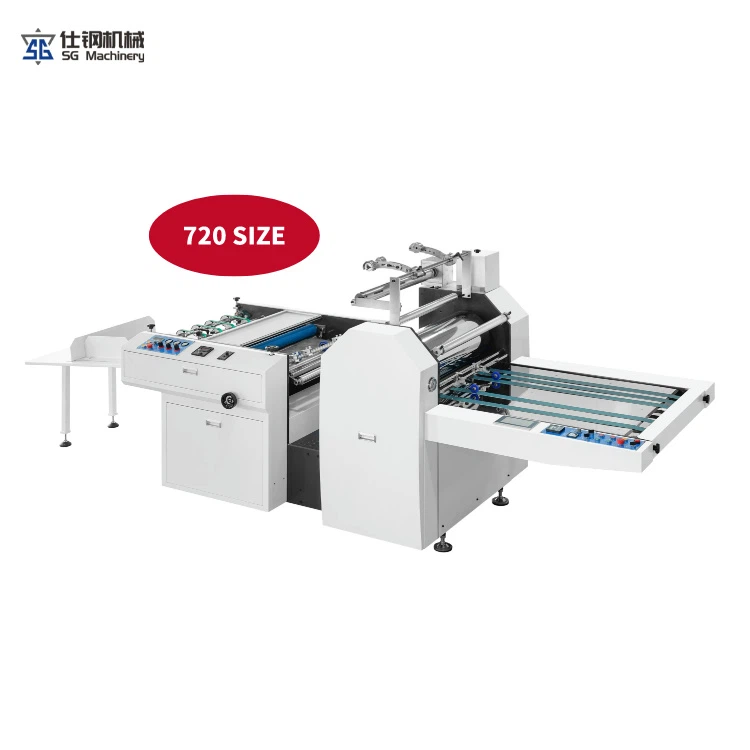
We offer a variety of thermal roll laminators, such as A4 Paper Laminator, Mini Paper Laminator, and Flatbed Paper Laminator. Each type may have unique characteristics when it comes to dealing with uneven lamination.
A4 Paper Laminator
The A4 paper laminator is suitable for laminating standard A4 - sized documents. When using this type of laminator, make sure the document is within the A4 size range and is centered properly. The temperature and speed settings may need to be adjusted according to the thickness of the document and the laminating film.
Mini Paper Laminator
Mini paper laminators are compact and portable, making them ideal for small - scale laminating jobs. They usually have lower power and may require more precise temperature and speed adjustments. Due to their smaller size, it's even more important to ensure proper document preparation and centering to avoid uneven lamination.
Flatbed Paper Laminator
Flatbed paper laminators offer a larger laminating area and are suitable for laminating larger documents or multiple documents at once. When using a flatbed paper laminator, check the pressure distribution across the entire laminating area. Make sure the rollers are in good condition and that the document is placed flat on the bed to achieve even lamination.
Conclusion
Uneven lamination in a thermal roll laminator can be a frustrating problem, but by understanding the causes and implementing the right solutions, you can achieve high - quality lamination results. As a supplier, we are committed to providing you with not only high - quality laminators but also the knowledge and support you need to use them effectively.
If you are facing persistent issues with uneven lamination or if you are looking to purchase a new thermal roll laminator, we encourage you to contact us for further assistance. Our team of experts is ready to help you choose the right laminator for your needs and provide you with guidance on laminating techniques. We look forward to discussing your laminating requirements and working with you to achieve the best results.
References
- Manufacturer's user manuals of thermal roll laminators
- Industry standards and guidelines for laminating processes
- Research on laminating film properties and compatibility