

How do I choose the right laminating pouch for my small laminator?
Aug 25, 2025
Leave a message
Hey there! As a supplier of small laminators, I often get asked about how to choose the right laminating pouch for these machines. It's a crucial decision because the wrong pouch can lead to all sorts of problems, from poor lamination quality to even damaging your laminator. So, let's dive into this topic and figure out how you can make the best choice.
Understanding Your Small Laminator
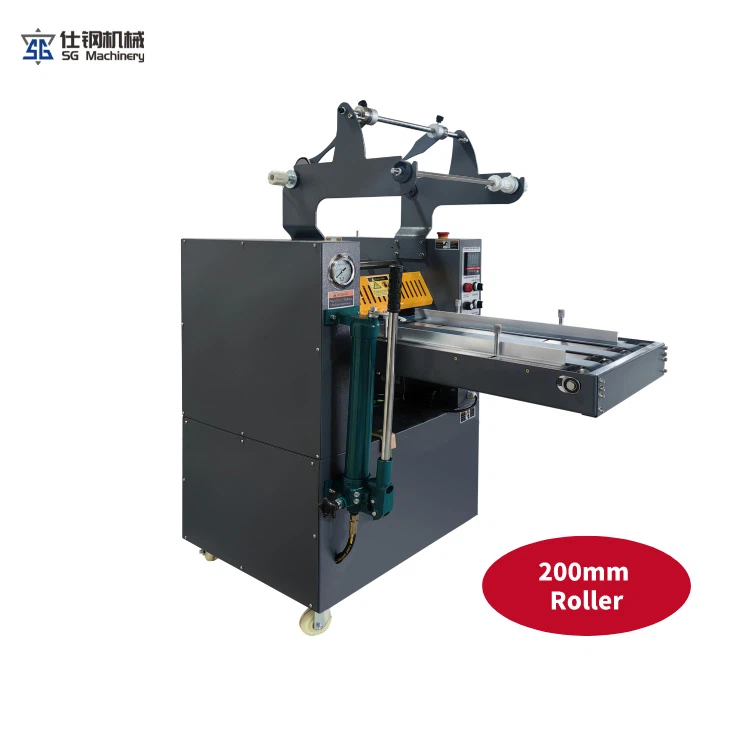
First things first, you need to know what kind of small laminator you have. There are different types out there, like the Automatic Heat Laminator Machine and the Manual Laminator. Each type has its own requirements when it comes to laminating pouches.
The automatic heat laminator is pretty convenient. It does most of the work for you, heating up the laminating pouch and pressing it onto your document. These machines usually work best with thermal laminating pouches. On the other hand, a manual laminator requires you to do a bit more work, like turning a crank to feed the pouch through. It can use either thermal or pressure-sensitive pouches.
If you're not sure which type of laminator you have, check the user manual. It should give you all the details you need about the compatible laminating pouches. And if you're in the market for a new small laminator, take a look at our Small Laminator options.
Pouch Thickness Matters
One of the most important factors to consider when choosing a laminating pouch is its thickness. Laminating pouch thickness is measured in mils (thousandths of an inch). Thicker pouches provide more protection and durability, but they might not be suitable for all laminators.

For small laminators, a common thickness range is between 3 mil and 5 mil. A 3-mil pouch is great for everyday documents like photos, ID cards, and small flyers. It's thin enough to pass through most small laminators without any issues and still provides a decent level of protection.
If you need more durability, say for documents that will be handled a lot or exposed to harsh conditions, a 5-mil pouch is a better choice. These pouches are thicker and can withstand more wear and tear. However, make sure your laminator can handle the extra thickness. Some small laminators might struggle with thicker pouches, leading to jams or uneven lamination.
Pouch Size
Another crucial aspect is the size of the laminating pouch. You want to choose a pouch that is slightly larger than the document you want to laminate. This ensures that the edges of the document are fully covered and protected.
Most laminating pouches come in standard sizes like letter (8.5 x 11 inches) and legal (8.5 x 14 inches). But if you have a smaller document, like a business card or a small photo, you can find smaller-sized pouches as well.
When measuring your document, add a little extra space around the edges to account for the pouch's seal. A good rule of thumb is to add about 1/4 inch to each side. This will give you enough room for the laminator to seal the pouch properly.
Pouch Type: Thermal vs. Pressure-Sensitive
As I mentioned earlier, there are two main types of laminating pouches: thermal and pressure-sensitive.
Thermal laminating pouches are the most common type. They have a heat-activated adhesive that melts when heated by the laminator. This adhesive then bonds the two layers of the pouch together, encapsulating your document. These pouches are great for a wide range of applications and are compatible with most automatic heat laminators.
Pressure-sensitive pouches, on the other hand, don't require heat. Instead, they have an adhesive that sticks when pressure is applied. You can use these pouches with a manual laminator or even by hand in some cases. Pressure-sensitive pouches are a good option if you don't want to deal with the heat or if you have a document that is sensitive to high temperatures.
Quality and Brand
Not all laminating pouches are created equal. The quality of the pouch can have a big impact on the final result of your lamination. Look for pouches from reputable brands that are known for their quality.
High-quality pouches are less likely to have bubbles, wrinkles, or uneven seals. They also provide better protection for your documents over time. When you're shopping for laminating pouches, read reviews from other customers to get an idea of the quality.
Cost
Cost is always a factor when making a purchase. Laminating pouch prices can vary depending on the thickness, size, and brand. Generally, thicker pouches and larger sizes will cost more.
However, don't just go for the cheapest option. Remember, quality matters. A low-quality pouch might save you a few bucks upfront, but it could end up costing you more in the long run if it doesn't provide proper protection for your documents or causes problems with your laminator.
Special Features
Some laminating pouches come with special features that can be useful depending on your needs. For example, there are anti-glare pouches that reduce the glare on your laminated documents, making them easier to read in bright light. There are also waterproof pouches that are great for documents that might get wet, like outdoor signs or menus.
If you have specific requirements for your laminated documents, look for pouches with these special features. They might cost a bit more, but they can be well worth it if they meet your needs.
Conclusion
Choosing the right laminating pouch for your small laminator isn't rocket science, but it does require a bit of knowledge and consideration. By understanding your laminator, considering the pouch thickness, size, type, quality, cost, and special features, you can make an informed decision that will give you the best results for your laminated documents.
If you have any questions or need more advice on choosing the right laminating pouch or small laminator, don't hesitate to reach out. We're here to help you find the perfect solution for your needs. Whether you're a small business owner, a teacher, or just someone who wants to protect their important documents, we've got you covered.
So, if you're interested in purchasing a small laminator or laminating pouches, feel free to contact us for more information and to start a procurement negotiation. We're looking forward to working with you!
References
- General knowledge about laminating machines and pouches from industry experience.
- User manuals of various small laminators for compatibility information.